Iranian delegation led by Ghalibaf arrives in Islamabad ahead of ME peace talks with US
All eyes on Pakistan as high-stakes negotiations are set to begin today to secure permanent ceasefire
Published April 11, 2026
- Abbas Araghchi joins Iran delegation for high-level negotiations.
- DPM Dar, CDF Munir receive Iranian delegation in Islamabad.
- Pakistan seeks lasting and durable resolution through dialogue.
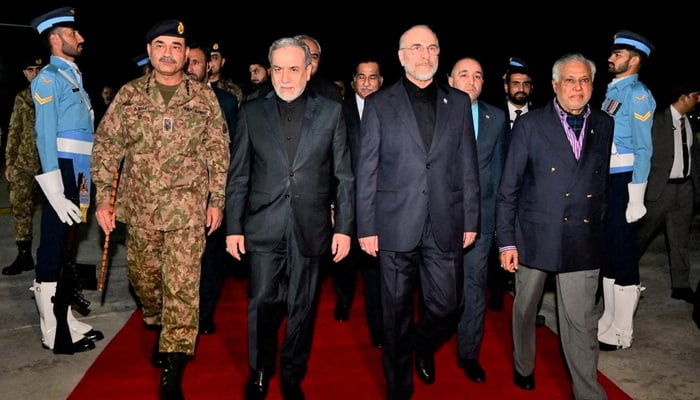
A delegation led by Iranian Parliament Speaker Mohammad Baqer Ghalibaf arrived in Islamabad early Saturday ahead of high-level negotiations with the United States aimed at ending the Middle East conflict, following a two-week truce brokered by Pakistan.
The high-powered delegation includes Iranian Foreign Minister Abbas Araghchi, who is expected to take part in the Islamabad talks, the Ministry of Foreign Affairs said in a statement.
The visiting delegation was received by Deputy Prime Minister and Foreign Minister Ishaq Dar, National Assembly Speaker Sardar Ayaz Sadiq, Chief of Defence Forces (CDF) and Chief of Army Staff (COAS) Field Marshal Asim Munir and Interior Minister Mohsin Naqvi.
Welcoming the delegation, Dar expressed hope for constructive engagement and reaffirmed Pakistan's commitment to facilitating dialogue towards a lasting and durable resolution.
Earlier, Prime Minister Shehbaz Sharif described the talks as a "make-or-break" opportunity to secure a permanent ceasefire, with leadership from both sides set to begin discussions in Islamabad today.
The negotiations follow a two-week ceasefire announced by US President Donald Trump after six weeks of conflict, halting US and Israeli airstrikes on Iran.
However, significant disagreements persist, with both sides accusing each other of failing to fully implement the truce, while tensions continue over the Strait of Hormuz and ongoing hostilities involving Israel and Iran-backed Hezbollah in Lebanon.
Ahead of the talks, Ghalibaf said Washington must honour prior commitments, including unblocking Iranian assets and enforcing a ceasefire in Lebanon, warning that negotiations would not proceed otherwise.
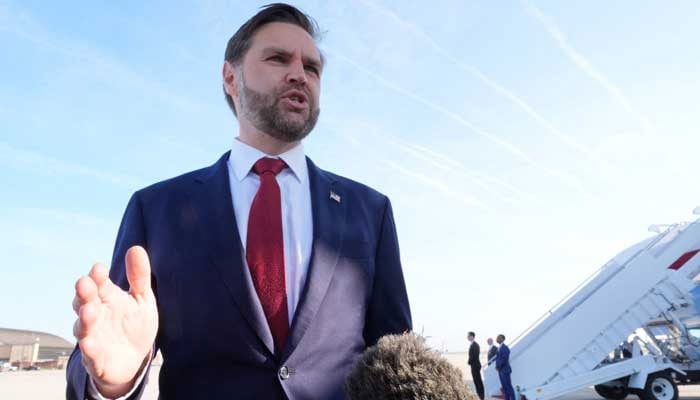
US Vice President JD Vance, who is leading the American delegation, said he expected a positive outcome but cautioned that any attempt by Iran to "play" the US would be met with a firm response.
Despite the ceasefire, Iran continues to face restrictions on accessing tens of billions of dollars in overseas assets due to US sanctions on its banking and energy sectors, underscoring the high stakes surrounding the Islamabad talks.
The Middle East conflict began on February 28 after the United States and Israel launched coordinated strikes that assassinated Supreme Leader Ali Khamenei and struck Iran's military and nuclear infrastructure, resulting in more than 2,000 deaths over five weeks.
In response, Tehran escalated operations across the region, effectively disrupting shipping through the Strait of Hormuz and carrying out strikes against Israeli territory as well as US military bases across the Gulf.
The confrontation between Washington and Tehran eventually came to a halt on April 8, when PM Shehbaz announced a two-week ceasefire agreement.
Washington's proposed 15-point framework for peace talks focuses on Iran's enriched uranium, ballistic missiles, sanctions relief, and the reopening of the Hormuz Strait.
Tehran, meanwhile, has presented a counter 10-point proposal calling for greater control over the strategic waterway, the introduction of transit tolls, an end to regional military operations, and a comprehensive lifting of sanctions.
The international community has broadly welcomed Pakistan's role in facilitating the ceasefire, with several countries expressing support for Islamabad's diplomatic efforts to de-escalate the conflict and advance peace negotiations.
— Additional input from Reuters