WHO says public risk low after hantavirus outbreak—here's what you need to know
'There was no need for panic and the risk to the public was low after three people died and three fell ill,' said WHO
Published May 04, 2026
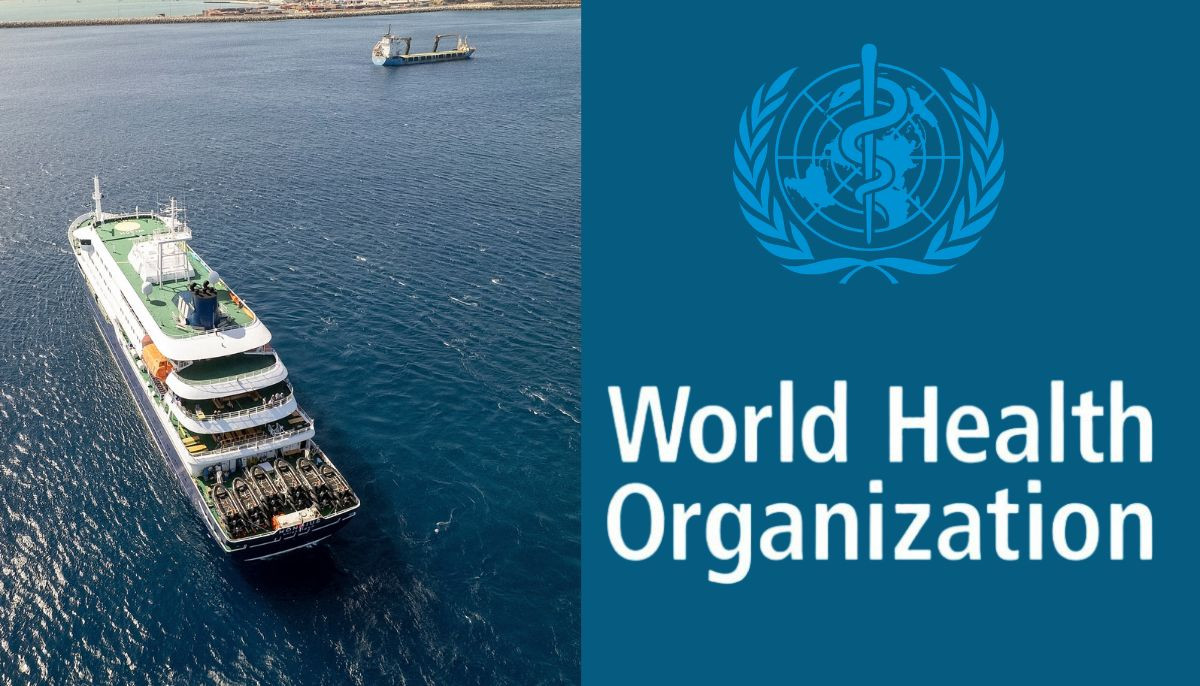
The hantavirus outbreak that hit on the cruise ship in the Atlantic Ocean claimed three lives, confirmed the World Health Organization (WHO).
The outbreak was first reported on the Dutch-based polar cruise ship MV Hondius, which was sailing between Argentina and Cape Verde on Sunday, May 3, 2026.
WHO has now broken its silence on hantavirus in a statement issued by its regional director, Hans Kluge on Monday, May 4, 2026
The statement stated, “There was no need for panic and the risk to the public was low after three people died and three fell ill.”
Kluge further added, “Hantavirus infections are uncommon and usually linked to exposure to infected rodents.
“While severe in some cases, it is not easily transmitted between people.”
On the other hand, the Dutch-based cruise company Oceanwide Expeditions said it was “managing a serious medical situation” on a polar expedition ship, per Reuters.
For context, the cruise set off from the Argentine coast about three weeks ago with around 150 passengers and made a stop in the Antarctic and other locations en route to Cape Verde.
What is hantavirus?
Hantaviruses are a group of viruses typically spread by rodents but can be transmitted to humans.
There are 38 commonly recognized types of hantavirus worldwide, 24 of which can make humans sick, per Prof. Adam Taylor of Lancaster University.
Rodents such as rats, voles, mice, and squirrels are the natural habitats for the viruses.