Musk wanted $80 billion to colonise Mars, helped turn OpenAI 'for profit': OpenAI president
Musk left OpenAI's board in February 2018
Published May 06, 2026
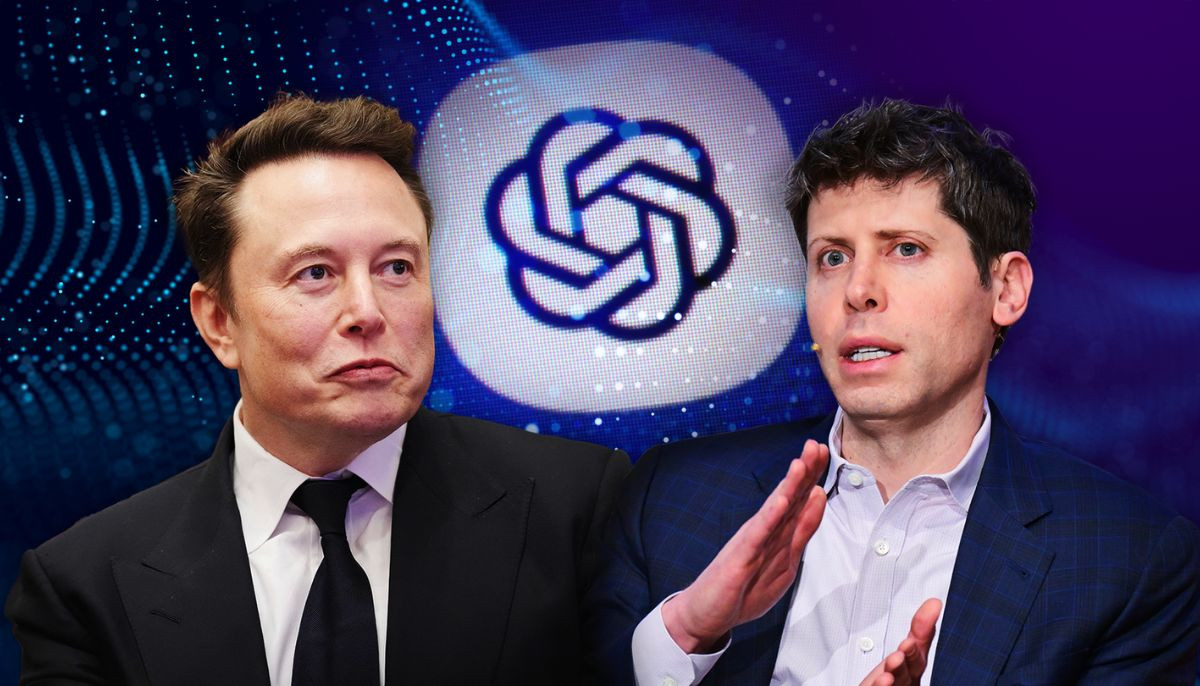
OpenAI President Greg Brockman has testified against Elon Musk, telling the court that the SpaceX CEO wanted full control of the AI company in part to raise $80 billion to colonise Mars.
The testimony came during the second week of a high-stakes trial in California that could determine the future of OpenAI, the company behind the ChatGPT chatbot.
Brockman said Musk pushed for OpenAI to restructure from a nonprofit into a for-profit company in 2017, arguing it was too difficult to raise the funds needed to build advanced AI models under a charitable structure. He added that Tesla head made clear he wanted to lead the company if that change happened.
“He said he needed $80 billion to create a city on Mars,” Brockman told the court, adding, “In the end, he needed full control. Musk also said he would decide when to give up that control”.
Brockman detailed a 2017 meeting in which things became visibly troubling after Musk was presented with an equity structure and he immediately said, “I decline.”
He said Musk stood up and moved so fast toward him that he feared he was about to be hit. Instead, Musk grabbed Sutskever's painting, which was painted as a Thank you gesture for Musk’s gift of Tesla to OpenAI employees, and walked out.
Musk threatened to withhold future funding until the matter was resolved, Brockman added.
Musk is suing OpenAI and CEO Sam Altman, accusing them of conning him into donating $38 million to the nonprofit before abandoning its charitable mission to enrich themselves.
He is seeking $150 billion in damages and wants both Altman and Brockman removed from their roles. Musk left OpenAI's board in February 2018.
OpenAI restructured as a for-profit unit in March 2019, since raising more than $100 billion. The company is now eyeing a potential $1 trillion IPO this year.