Ebola outbreak 2026: Everything to know about symptoms, prevention, travel risk
WHO report that most promising Ebola vaccine will take six to nine months to become available for trials
Published May 20, 2026
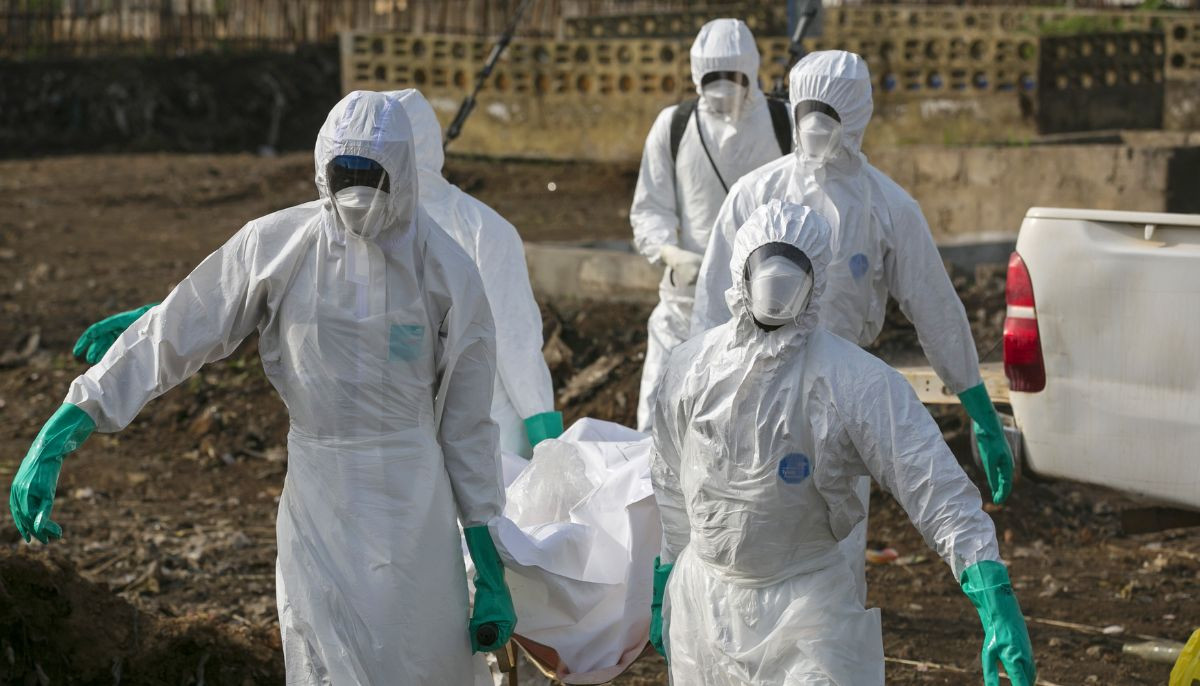
The World Health Organisation (WHO) has declared an Ebola outbreak in the Democratic Republic of Congo (DRC) and Uganda.
The disease caused by the rare Bundibugyo virus has caused a health emergency of international concern.
The virus targets the human body by attacking the immune system and vital organs. The affected individual soon develops a severe viral hemorrhagic fever.
Symptoms of Ebola disease: What to look for
Ebola symptoms appear within 2 to 21 days after virus exposure. Common symptoms are:
- Sudden fever
- Fatigue (flu-like onset)
- Vomiting and diarrhea
- Organ failure
- Internal and external bleeding in some cases
How the Ebola virus spreads
The Ebola virus infection transmits when there is direct contact of bodily fluids, blood, sweat, vomitus, and urine from an infected individual, using broken skin or mucous membranes.
This virus is not an airborne disease, nor does it spread from mosquito bites. Contact with contaminated material, sharp objects, and improper handling of the dead body increases the chances of infection. Sexual contact even after recovery can result in infection.
Cases and deaths
As of May 20, the WHO has reported 600 suspected cases and 139 suspected deaths across DRC and Uganda.
The number of confirmed cases is 51 in DRC’s provinces, Ituri and North Kivu, and two more confirmed cases in Kampala, Uganda, with one reported death.
Nonetheless, the mathematical model of Imperial College London estimates that there could be 1,000+ active cases circulating.
How to prevent yourself
To avoid the risk of Ebola infection, avoid contact with infected blood, saliva, and even vomit. Stay away from any contaminated objects when handling the body of a dead victim.
Practice good hand hygiene by washing your hands with soap as often as possible. Avoid consuming meat that comes from bushmeat or is poorly cooked. Avoid sexual intercourse after recovery.
For now, no vaccine is available. WHO confirmed that it will take around six to nine months to develop a promising vaccine.
Travel risks
Although the WHO labels the disease as low risk globally, the CDC has implemented enhanced travel screening and entry restrictions for non-U.S. passport holders with travel history to Uganda, the DRC, and South Sudan.
At the regional level, Rwanda has closed its borders with DRC, and Uganda has urged locals to avoid hugging and handshaking. Additionally, exit screening is recommended at international airports and major land crossings.