Sonny Rollins, Jazz Saxophone giant, dies at 95
Sonny Rollins breathed his last on May 25 at his home in Woodstock, N.Y.
Published May 26, 2026
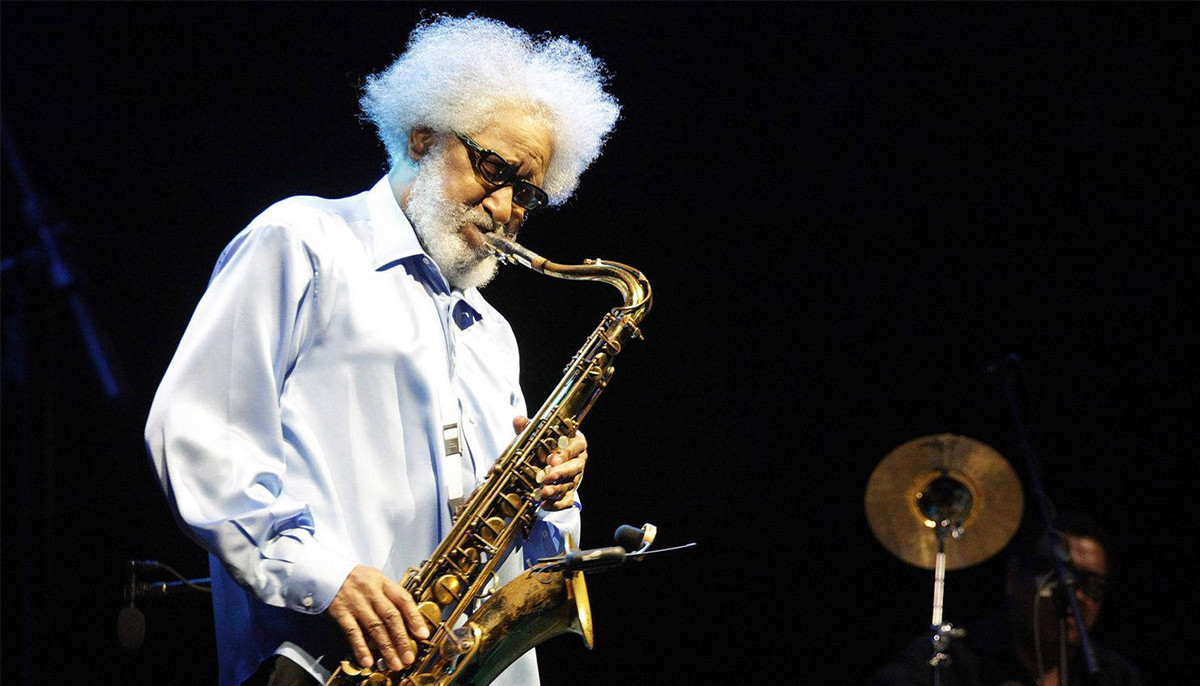
Sonny Rollins, the legendary tenor saxophonist whose improvisational genius and compositions like St. Thomas and Oleo reshaped modern jazz, has died at the age of 95.
He passed away on May 25 at his home in Woodstock, N.Y., his family announced.
In a message shared publicly, Rollins’ family described him as “one of the most honored and influential figures in American music of the 20th century and beyond.”
He is survived by his nephew Clifton Anderson and nieces Vallyn Anderson and Gabrielle DeGroat, as per People.
The family noted that no public memorial is planned at this time.
The statement included a quote Rollins gave in 2009: “I think when the creative person ends, he continues in the next existence. I’m a person who believes this life isn’t the be all and end all of everything.”
Born Walter Theodore Rollins in Harlem in 1930 to parents from the Virgin Islands, he switched to tenor sax at 16 to emulate his idol Coleman Hawkins.
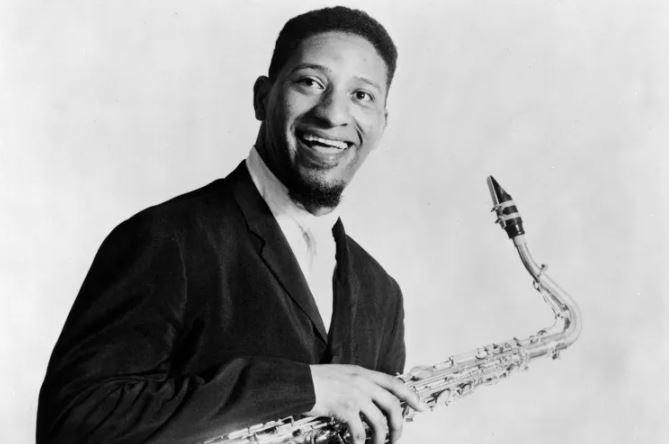
By his teens, he was already collaborating with Miles Davis, Thelonious Monk, and Bud Powell.
After battling heroin addiction in the 1950s, Rollins entered treatment at the Narco Farm in Lexington, Kentucky.
His recovery led to a prolific burst of creativity between 1956 and 1958, when he released 16 albums including the landmark A Night at the “Village Vanguard”.
In the early ’60s, Rollins famously withdrew from performing, practicing alone on the Williamsburg Bridge.
His 1962 album The Bridge symbolized both his return and his relentless pursuit of artistic growth.
Rollins won two Grammys, received a Grammy Lifetime Achievement Award in 2004, a Kennedy Center Honor in 2011, and the National Medal of the Arts.
His archive was acquired by the Schomburg Center for Research in Black Culture in 2017.
Forced to stop playing in 2014 due to pulmonary fibrosis, Rollins reflected with gratitude in an interview with The New York Times, “Instead of lamenting and crying, I should be grateful for the fact that I was able to do music all of my life.”