DPM Dar warns prolonged Middle East conflict could threaten global order
International system's crisis stems from "selective application" of principles, says deputy prime minister
Published May 26, 2026
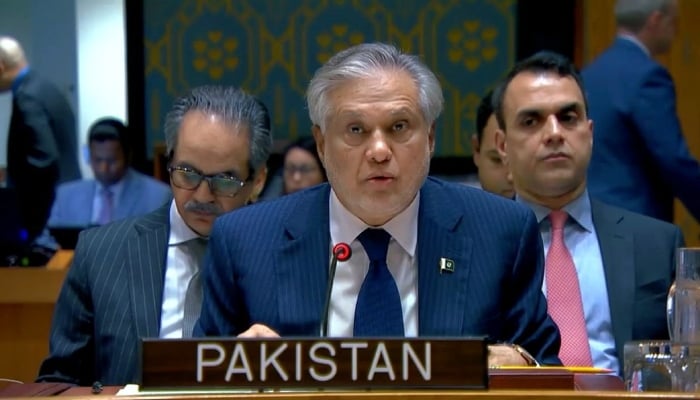
- DPM Dar highlights Palestine, Kashmir issues in UN address.
- Pakistan, China working for peace in Middle East, says Dar.
- Dar seeks enhanced representation of developing nations at UN.
Deputy Prime Minister and Foreign Minister Ishaq Dar on Tuesday warned that prolonged conflict in the Middle East could endanger the wider international order, stressing peaceful resolution of longstanding disputes.
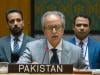
Addressing the United Nations Security Council's (UNSC) open debate on the maintenance of international peace and security, DPM Dar said that Pakistan had always supported dialogue and self-determination for dispute resolution.
"Diplomacy is not weakness," he said, adding that negotiations were the first responsibility for peace.
DPM Dar said that Pakistan, China, and other partners were working for peace in the Gulf and Middle East, warning that prolonged conflict could endanger regional stability, global energy flows, and the wider international order.
He noted Islamabad's "sincere efforts" for peace in the region and ensuring key waterways remained open for marine traffic.
DPM Dar also highlighted the unresolved Kashmir dispute, noting it has remained pending for eight decades despite UNSC resolutions.
He maintained that durable peace in South Asia could not be built on coercion or unilateral actions, cautioning that India's attempts to keep the Indus Waters Treaty in abeyance threatened regional stability.
He also underlined Pakistan's position on Palestine, stating that Israeli occupation, collective punishment, and illegal settlements made sustainable peace impossible.
DPM Dar also reaffirmed Islamabad's support for the Palestinian people's right to self-determination.
On global power structures, he said that the international system's crisis stemmed from the selective application of principles, adding that when powerful states place themselves above the law, trust in multilateralism was weakened.
"When sovereignty is defended in one case but disregarded in another, the Charter is weakened. When occupation is condemned in one region but tolerated and even supported in another, justice is diminished," he added.
Reiterating Pakistan's support for UN reforms, he said changes must enhance the representation of developing countries rather than concentrate power, describing the UN as an indispensable institution requiring renewed commitment to its Charter.