Philippines hit by 7.8 earthquake: Which neighbouring regions could be next?
Philippines earthquake occurred at an estimated depth of 33km
Published June 08, 2026
A magnitude 7.8 earthquake hit the southern Philippines, killing at least 32 people.
Following the earthquake, tsunami warnings have been issued across the regions, with seismologists warning that neighbouring countries are now at heightened risk of subsequent tremors.
The deadly quake struck offshore 32km west of Maasim in Sarangani province early Monday morning, June 8. This has shifted stress along interconnected fault systems.
This is because a major rupture in one subduction zone often increases pressure on adjacent geological structures.
The most vulnerable regions for now are:
- Easter Indonesia: A tsunami wave of 0.75 already hit the area following the Philippines’ earthquake. The Molucca Sea collision zone, where two tectonic plates converge, is considered seismically primed for activity.
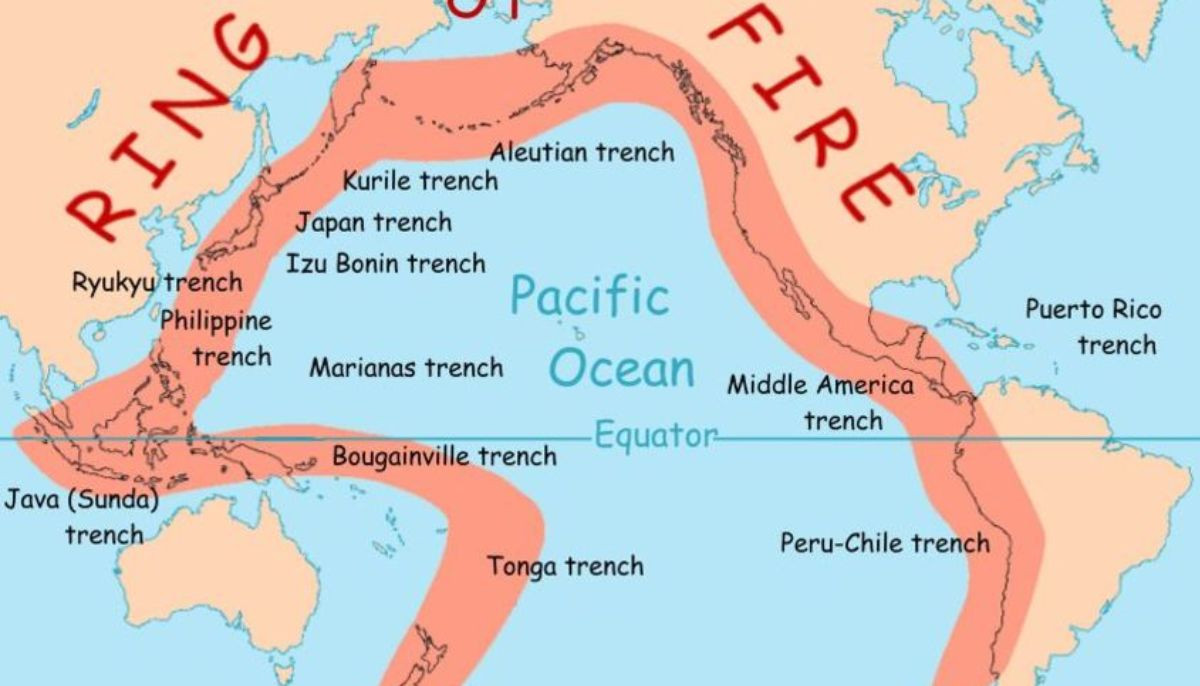
- Palau: The island nation is located to the east of the Philippine Trench, the very zone that caused earthquakes in the Philippines. It is now prone to small tsunamis or localised tremors in the coming days.
- Eastern Malaysia: The Malaysian state of Sabah on Borneo Island is already placed under a tsunami alert after the quake. It is located near the dangerous Celebes Sea subduction zone and has its own active fault lines.
- Taiwan: Taiwan also shares the Philippine Sea Plate boundary. In the past, major quakes in the southern Philippines triggered seismic activity in Taiwan within weeks.
An earthquake in one region triggers warnings in neighbouring regions because tectonic plates do not move in isolation. Energy released during a 7.8 magnitude earthquake at the Philippine Trench is transmitted to other faults adjacent to the fault.
About 5-10 percent of all large earthquakes have aftershocks of at least magnitude 6 on another fault segment within one year, according to information from the United States Geological Survey.
Authorities across Southeast Asia and the Western Pacific are urged to review tsunami preparedness plans, review infrastructure, and educate coastal communities on evacuation routes.