Life at 50°C: How Jacobabad's workers endure extreme heat
Experts warn rising temperatures could eventually force residents to migrate
Published June 09, 2026
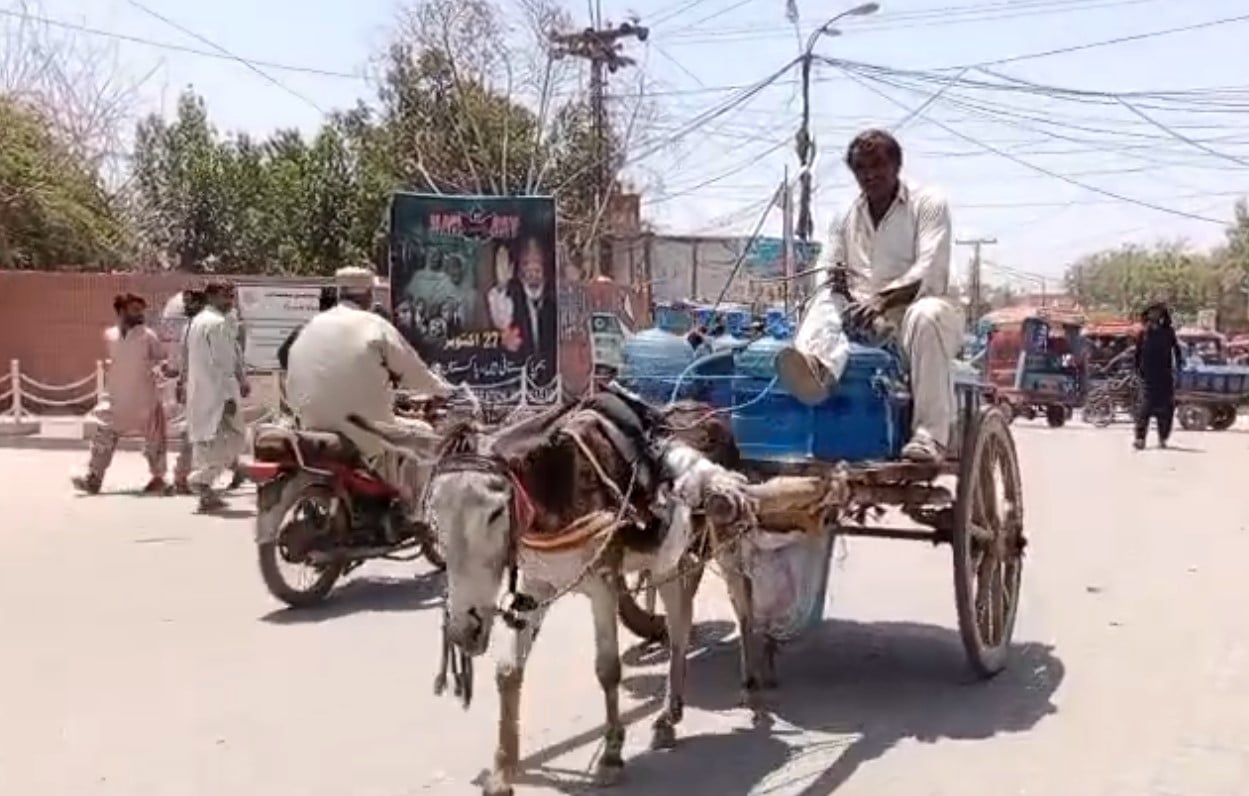
JACOBABAD: For labourers in Jacobabad, one of Pakistan’s hottest cities, extreme heat has become more than a weather phenomenon — it is a daily struggle to survive and provide for their families.
Temperatures in the city frequently cross 50 degrees Celsius, while high humidity and relentless heat push human endurance to its limits.
Among those battling the conditions is brick kiln worker Naseer Ahmed, whose physically demanding job becomes even more gruelling during the summer months.
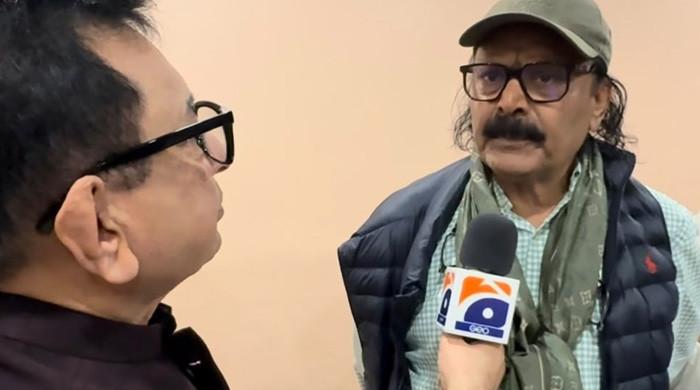
“It is very hot; it is around 50 degrees Centigrade here. There is a lot of radiant heat from the kiln too; it is extremely hot,” Ahmed said.
“We are feeding our children; it is very hot here. With neither any aid nor any cooperation, in such heat, how do we earn bread for our children? It is a compulsion, we have to do it, and the heat is also immense,” he added.
Like Ahmed, many labourers across Jacobabad continue working outdoors despite the risks posed by extreme temperatures, driven by economic necessity and a lack of alternatives.
Health experts have urged both workers and ordinary citizens to take precautions when venturing outside during periods of intense heat.
A local doctor described Jacobabad as one of Asia’s hottest regions, saying temperatures can reach as high as 52 degrees Celsius.
“The public is severely distressed, and the businesses here have been ruined,” the doctor said.
“The situation is such that during these hot days, this area becomes unlivable. Given the future global situation regarding the heat, I say that the situation will be such that no one will be able to live here, and people will be forced to move to other cities,” he added.
The city’s scorching roads, blistering winds, water shortages and extreme weather conditions have become a stark reminder of the human cost of climate change.
For residents of Jacobabad, climate change is no longer a distant scientific debate. It is a reality shaping daily life, livelihoods and, increasingly, concerns about whether the city will remain liveable in the years ahead.