Musk makes first purchase after becoming trillionaire: Buys ‘Cursor' for $60B
SpaceX acquires AI coding startup ‘Cursor’ for $60 billion days after record IPO
Published June 16, 2026
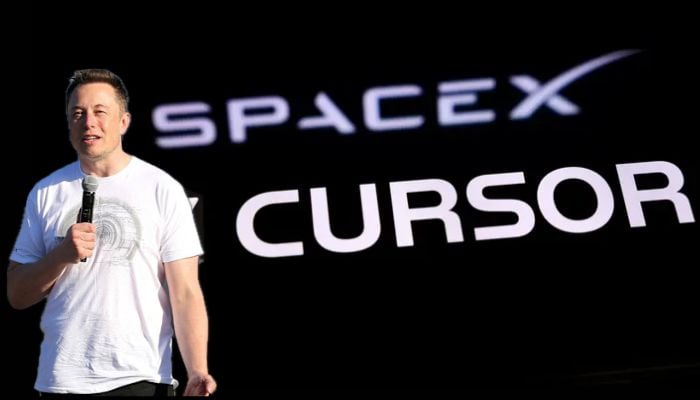
Elon Musk’s SpaceX has officially acquired Anysphere, the company behind the popular AI coding agent Cursor.
The deal is made for $60 billion on all-stock terms, just after SpaceX’s record-breaking initial public offering on the Nasdaq stock exchange.
The acquisition comes days after SpaceX's massive IPO on Friday, which valued the company at more than $2 trillion with the largest offering in history, raising $85.7 billion. It is clear that Elon Musk wants SpaceX to become a dominant force in the fast-growing enterprise AI tools space.
What is Cursor?
Cursor is a coding assistance application powered by artificial intelligence that enables programmers to create better code with more efficiency. This application is sometimes called an "AI coding agent" because its use results in automation of many aspects of coding processes.
Top features include:
- AI-Powered Code Generation
- Code Editing & Refactoring
- Debugging Assistance
- Code Explanation
- Multi-Language Support
- Integrated Environment
- Context-Aware Suggestions
Why Elon Musk acquired Cursor?
Musk has been eyeing the startup for months. In April, the company announced that the firm was able to gain an option either to buy Cursor for $60 billion or pay $10 billion in return for a partnership.
This acquisition will benefit the AI division of SpaceX, xAI, which became a part of the company in February, and help it compete better against its competitors, such as OpenAI and Anthropic.
The company data reveals a successful annualised B2B revenue generating around $2.6B. The deal is expected to close in the third quarter of 2026. Regulatory fillings show SpaceX will pay a $10 billion termination fee if the deal fall through due to specific circumstances, and a $4 billion regulatory fee if antitrust issues hit the acquisition.