UK minister faces criticism from British-Pakistanis over Rochdale rapist deportation stance
Critics argue Britain should retain responsibility for offenders who spent decades there
Published July 22, 2026

LONDON: The UK government minister face a backlash from British-Pakistanis over threats to sanction Pakistan if it refuses to take back the ringleader of the Rochdale grooming gang, according to an investigation published in the Daily Telegraph.
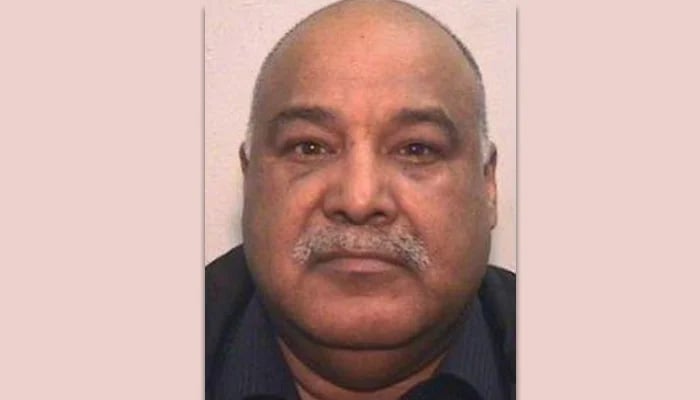
Senior figures in the Pakistani community in the UK are divided over whether Shabir Ahmed, 73, a child rapist, should be deported to Pakistan but warned that any visa sanctions or aid cuts would prompt a backlash that would damage relations between the two countries and that Shabana Mahmood will pay a political price for her campaign.
Political opponents in the Pakistani community in the Midlands constituency of Mahmood, the Home Secretary, have also suggested they will seek to exploit the row at the next election.
Akhmed Yakoob, a Birmingham solicitor who stood against Mahmood in the last election and came close to winning the race, slashing Labour's nearly 15000-strong majority to just around 2000, said he would "make it an issue" on the doorsteps if he was to stand again and accused her of "appeasing the far-right" by seeking to deport Ahmed.
"If she is trying to suggest that Pakistan should accept anyone, including convicted rapists and grooming gang offenders, that is unacceptable. Britain must take responsibility for people who are British citizens and who have spent their lives here," said Yakoob, who stood as an independent and came second in the 2024 election, stunning the political pundits. He gained over 12,000 votes against Shabana, who got around 15,000.
"Shabir is a dangerous, dirty criminal who brought shame to the communities he lived in. He deserves the worst kind of punishment, but what Shabana is doing is not sincere; it's dirty politics."
The government is seeking to deport Ahmed following his release from prison earlier this month, after he served 14 years of a 22-year sentence for 30 child rape offences.
Mahmood has announced plans to amend the Immigration Act 1971 to remove a loophole that prevents Ahmed from being deported to Pakistan despite the revocation of his UK citizenship.
However, Pakistan is refusing to take him back because it claims he has renounced his Pakistani citizenship and has lived in the UK for nearly six decades.
Lord Shaffaq Mohammed said he believed Pakistan should take back Ahmed.
"If Pakistan does not, there is a real risk that the UK government will come under pressure to take measures that could damage the strong economic and diplomatic ties between our two long-standing friendly nations," he said.
"It could ultimately affect development assistance that supports some of the world's poorest and most vulnerable people. This one man has already inflicted terrible harm on innocent young people. We should not allow his actions to cause further harm by creating a wider diplomatic breakdown. Both governments must find a practical and constructive way to resolve this issue."
However, Ayesha Ijaz Khan, a lawyer and London-based political commentator, said Pakistan was "well within its rights" to refuse to take back Ahmed, who had lived in the UK for 60 years and renounced his citizenship.
"Britain cannot expect to dump its own legal and functional shortcomings onto other countries, and threatening Pakistan with visa restrictions and financial penalties on this is most unbecoming," she said.
"That would have only made sense if Pakistan were advocating for Ahmed, but at no point has Pakistan done that and has repeatedly said that Britain is right to prosecute him."
Taimoor Iqbal, a London-based Pakistani consultant, added there was a danger that the deportation of Ahmed could set a precedent for future governments to extend their powers of removal.
"I would argue that such a precedent could be expanded by any right-wing administration to justify broader deportation policies, potentially targeting vulnerable communities in ways that disproportionately affect minorities," he said.
"Once the threshold for deportation is lowered, it becomes easier for future policymakers to extend those powers, raising concerns about civil liberties, equal treatment under the law and the long-term protection of minority rights."