A/H3N2 variant explained: What to know about symptoms, spread, vaccine
New flu variant A/H3N2 K now behind 90% of cases as seasons starts early
Published December 06, 2025

A highly prevalent strain of influenza is driving an early and severe flu season across the Northern Hemisphere, raising concerns among public health officials.
The variant known as subclade K of the A/H3N2 virus is now responsible for 90% of flu cases in countries such as the UK and Japan and is becoming dominant in North America and Europe.
What is A/H3N2 K?
This is not a novel virus rather than an evolution of familiar influenza A/H3NS, which has spread since 1968.
The “subclade K” variant has accumulated enough mutations in haemagglutinin (H) protein, a process known as antigenic drift, to distinguish it from recent strains.
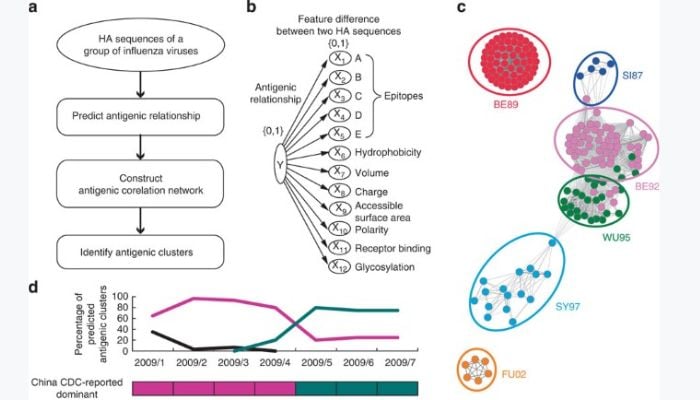
Most importantly, these changes may help it partially evade existing immunity in the population which has had more exposure to the A/H1N1 strain.
Why is this season threatening?
Health experts indicate a “perfect storm” of factors:
- The flu season has begun several weeks earlier than usual in Europe and parts of Asia, catching many off guard.
- Historically, A/H3N2 has more severe outcomes specially for older adults in comparison to seasons dominated by A/H1NI or influenza B.
- This season’s flu vaccine was formulated months in advance to target a different A/H3N2 strain among others. However, preliminary analysis indicates a “divergence” between the vaccine strain and the circulating subclade K which can make vaccines less effective.
The strain has affected people globally with patients having been detected across all continents. It is contributing to overwhelming pressures on healthcare systems.
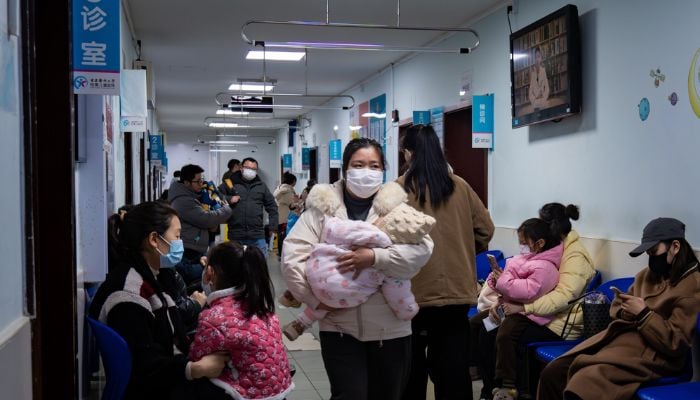
In China, 17 provinces are reporting high flu activity, with hospitals flooding with patients, especially children.
As per U.S. CDC, the strain is particularly affecting younger populations.
Symptoms
Symptoms are similar to classic influenza including:
- Sudden high fever
- Aching body
- Fatigue
- Dry cough
- Sore throat
- Headache