NHS widens Prostate cancer drug access in England, saving thousands of lives
The drug is expected to save thousands more lives in England, making over 8,000 men eligible each year
Published January 17, 2026
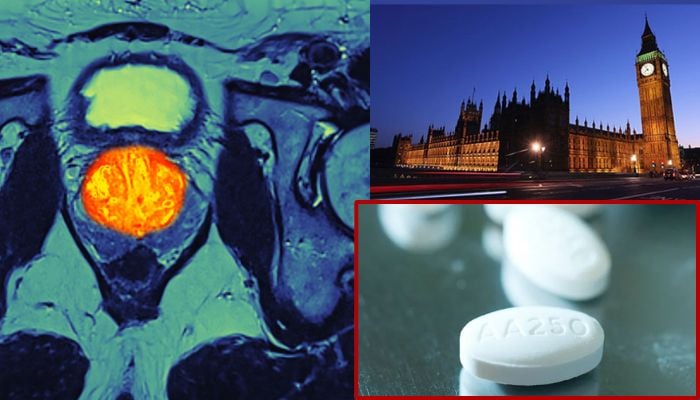
Prostate cancer, the most common cancer in the UK among men and affecting one in eight, is the focus of a new NHS announcement to provision access to a life-saving drug to thousands more.
The NHS England clinical director, Prof. Peter Johnson, stated that thousands of men could “kickstart their year with the news that they will have a better chance of living longer and healthier lives,” reported by The Guardian.
Prostate cancer claimed 12,200 deaths a year, with about 55,300 new diagnoses.
Abiraterone, a drug that deprives cancer cells of the hormones they need to grow, will be offered to newly diagnosed men whose cancer has not recently spread and whose cancer is still confined to the prostate.
The NHS said the accessibility in England had been made possible with the support of campaigners, including Prostate Cancer UK.
The drug is expected to save thousands more lives in England, making over 8,000 men eligible each year and dropping the mortality rate due to prostate cancer from about 1,900 to fewer than 1,000 within this group.
The decision will make the drug available to about 8,000 more men each year.
Within this group it is expected to prevent nearly 1,000 deaths annually, reducing prostate cancer mortality from about 1,900 to fewer than 1,000.
Earlier, the drug was only accessible to the patients with advanced prostate cancer that had not been confined to other parts of the body.
The drug, abiraterone, is already prescribed more commonly in Scotland and Wales.
Abiraterone will be administered in combination with a steroid, prednisolone, and standard treatments, including androgen deprivation therapy (ADT) and radiotherapy.
A study led by researchers at University College London and the Institute of Cancer Research found the drug could halve the risk of prostate cancer coming back and reduce the risk of death by 40% when the disease had not spread beyond the prostate.
As per the estimates of Prostate Cancer UK, the decision will save more than 3,000 human lives over the next five years.