What is Tesla's Dogo3 AI chip? Here's what Elon Musk says about it
After its shutdown, around 20 Dojo employees left Tesla to join a new AI infrastructure firm founded by former Dojo head
Published January 21, 2026
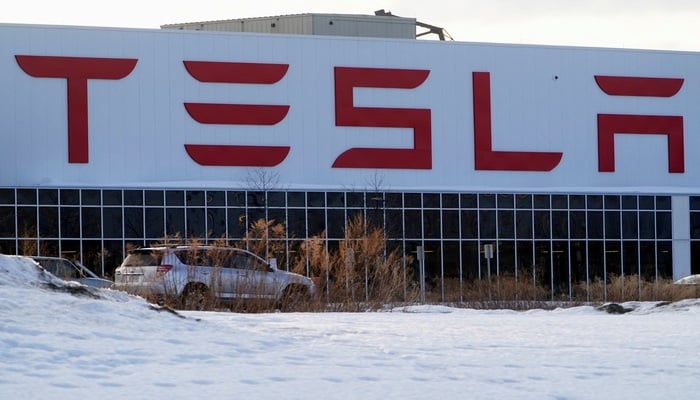
Tesla, Elon Musk's pioneering electric vehicle (EV) brand, is going to restart building Dojo3—its previously abandoned third-generation AI chip— but there's a catch: it will be dedicated to “space-based AI compute” rather than training self-driving models on Earth.
Tesla's Dojo project revival
Dojo project's revival comes five months after Tesla shut it down, disbanding the team behind its supercomputer following the departure of Dojo lead Peter Bannon.
Around 20 Dojo employees left Tesla to join DensityAI, a new AI infrastructure firm founded by former Dojo head Ganesh Venkataramanan and ex-Tesla employees Bill Chang and Ben Floering.
At the time of Dojo’s shutdown, it was reported that Tesla was willing to increase its reliance on Nvidia and other partners like AMD for computing needs and Samsung for chip manufacturing, rather than continue developing its own custom silicon. But Musk’s latest remarks suggest a shift in strategy.
In a post on his social media site X (formerly Twitter), Musk explained that the decision to revive Dojo was driven by the state of its in-house chip roadmap, noting that Tesla’s AI5 chip design was “in good shape.”
The AI5 chip, produced by TSMC, runs Tesla’s automated driving features and Optimus humanoid robots. Last summer, Tesla signed a $16.5 billion deal with Samsung to produce AI6 chips for its vehicles and Optimus.
“AI7/Dojo3 will be for space-based AI compute,” Musk stated. He invited engineers to apply, stating: “If you’re interested in working on what will be the highest volume chips in the world, send a note to [email protected] with 3 bullet points on the toughest technical problems you’ve solved.”
Musk’s proposal for “space-based AI compute” is based on his conventional pattern of presenting ambitious ideas and striving to bring them to fruition.