Japan shuts down reactor at world's largest nuclear plant hours after restart
A malfunction was detected in control rods
Published January 23, 2026
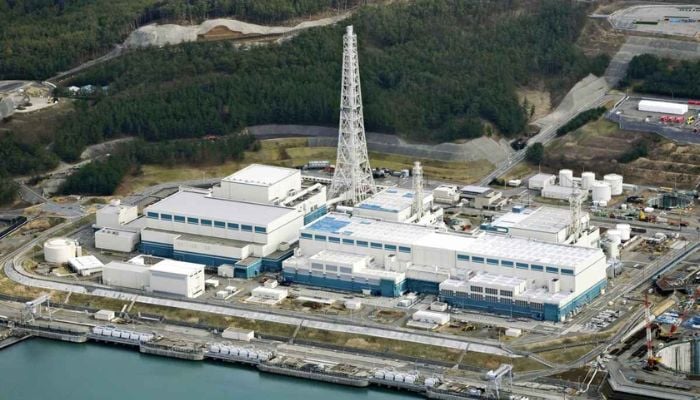
A reactor at the world’s largest nuclear plant in Japan was shut down just hours after it restarted, on Wednesday night, for the first time since the 2011 Fukushima nuclear disaster.
The No.6 reactor at the Kashiwazaki-Kariwa plant, owned by Tokyo Electric Power Company (TEPCO), was shut down due to a glitch that occurred just hours after the unit’s resumption.
According to Tokyo Electric Power Company Holdings, a malfunction was detected when the workers removed 52 out of the 205 neutron-absorbing control rods from the reactor core to start stable nuclear fission.
The control rods are essential for safely starting and shutting down nuclear reactors. Operations were suspended after the glitch; however, the power supply company stated that there was no safety issue.
Plant Chief Takeyuki Inagaki said that the reactor was shut down to ensure safety, adding, “We will examine the issue with the equipment as it is essential for safe operations.”
Inagaki said that the reactor was unlikely to become operational in the next few days.
The reactor was dormant for the last 14 years, but amid Japan’s push to use atomic energy to meet the increasing electricity demand, authorities decided to restart the plant.
It is expected that electricity generation from the No.6 reactor would be sufficient to power nearly 1 million households in the capital region.