Did NASA fake first Moon landing? Here's what landing footage and photos tell
Most common evidence against NASA's first Moon landing is existence of six moon landings between 1969 and 1972
Published January 31, 2026
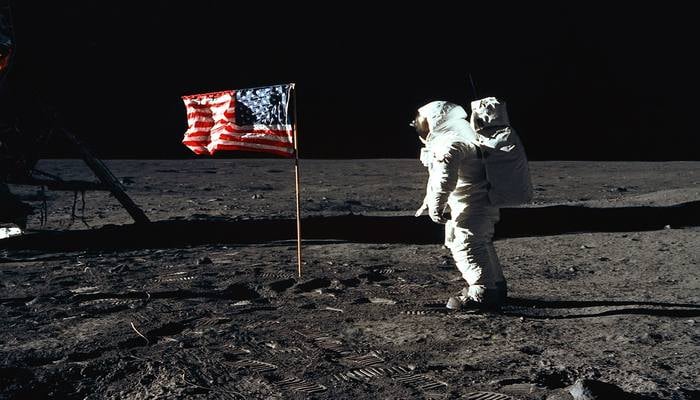
While NASA has stepped into the limelight for its upcoming Artemis III mission, sceptics have renewed their doubts over the historic moon landing of Apollo 11 in 1969, arguing that the event was staged to secure a victory for the US in the space race against the Soviet Union.
Even after decades, the question lingers whether the US honestly landed on the moon and made history, or it was just a made-up theatric to apparently have an edge over what's called Russia today.
While the footage depicted astronauts landing on the moon, the legitimacy of the event has persistently been facing scrutiny. Let's find out as accurately as possible in light of the facts that contrast or validate the authenticity of the happening.
One of the most common pieces of evidence against these conspiracy theories is the existence of six moon landings between 1969 and 1972.
Evidence supporting NASA's Apollo Moon landing
If it was merely an act to outshine the Soviets, optimists contend, would NASA invest resources in faking multiple landings? The Apollo programme involved around 400,000 people, not to mention partnerships with over 20,000 contractors and universities.
The impression that suggests that all these individuals took part in a cover-up seems implausible, especially considering the difficulty of getting even a few people to maintain a secret.
Critics often point to the waving flag planted by astronauts Neil Armstrong and Buzz Aldrin, claiming it proves the landing was staged. On the other hand, NASA purportedly designed the flag with meticulous science so it remains extended, and its appearance was due to wrinkles from being packed for the mission.
Theories refuting it outline that astronauts could not survive the Van Allen radiation belts, but NASA insulated the Apollo craft effectively, allowing safe passage.
Moreover, sceptics also highlight the absence of stars in the lunar sky during the landing footage, which is supported by the bright lunar surface reflecting sunlight, overshadowing distant stars.
With the Artemis missions on the horizon, it is vital to address these doubts constructively, ensuring that future explorations receive their due share of applause and confidence.