First planet parade of 2026 set for February: Where and how to watch?
This year's February planet parade will showcase Mercury, Venus, Jupiter, Saturn, Uranus, and Neptune
Published February 09, 2026
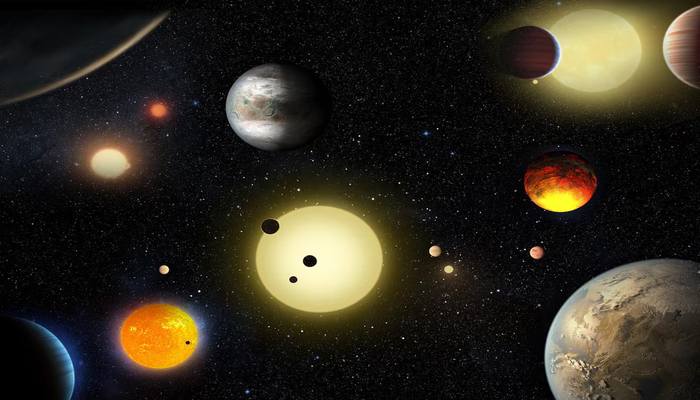
Buckle up, skygazers, as February is going to treat you to an exciting celestial event in the last week, with 2026's first planet parade being on the horizon.
When to watch February planet parade
The upcoming planetary parade will let you behold six planets visible in the night sky, a phenomenon that happens only a few times each year.
This year's February planet parade will showcase Mercury, Venus, Jupiter, Saturn, Uranus, and Neptune. Missing just one planet from a complete set, this event is quite rare, with the last occurrence happening in February 2025.
For people residing in the Northern Hemisphere, the best time to catch the planet parade will be around sunset during the last week of February.
Which stars will appear in Feb 2026 planet parade?
Enthusiasts should watch out at 6:45 p.m. local time, but it must be noted that the viewing window is brief, as Mercury and Venus will disappear below the horizon about 30 to 45 minutes later.
Where and how to spot Jupiter, Uranus, Mercury, Venus, Saturn, and Neptune
The fortunate occurrence is that Mercury, Venus, Saturn, and Neptune will be grouped together against the western horizon, which makes the more visible meaning easier to find.
Similarly, Jupiter and Uranus will be more prominent and shall remain visible long after the others will be gone. Uranus will hover in the southern sky near the Taurus constellation, while Jupiter will be located near Gemini.
Best dates for planet viewing
The best dates to watch the planet parade across the US, Canada, and Mexico are from February 21 to 28. This will also be visible globally, from Tokyo to London.
Tips for best planet viewing experience for 2026
To make the most of this enchanting planet viewing, star-watchers are advised to use a sky map or astronomy apps like Stellarium. For even clearer visibility, a telescope is a non-negotiable, especially for Uranus and Neptune, which require magnification to be seen properly.