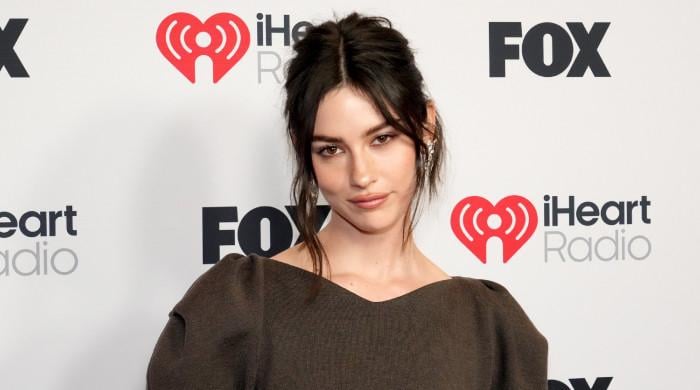
Camila Cabello receives intense backlash after emotional statement
Camila Cabello addresses the current state of her home country
Published February 21, 2026
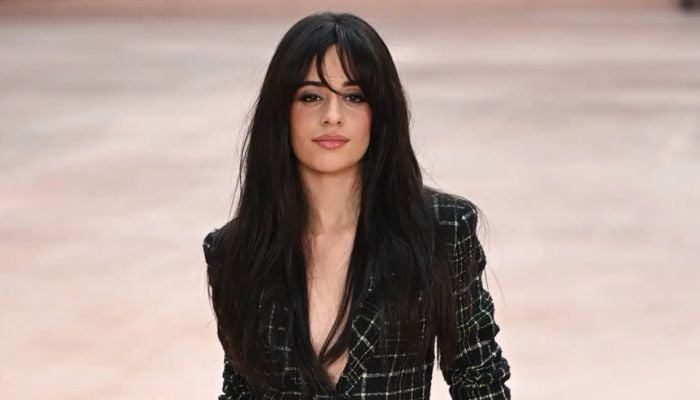
Camila Cabello has ignited the public’s wrath with her latest statement about the ongoing humanitarian crisis in Cuba, her home country.
The singer, who was born Karla Camila Cabello Estrabao in the capital city of Havana, shared a message of reflection about the state of things in the Caribbean country and what the immigrant community connected to it is facing in the US.
“It has been 67 years of a failing dictatorship and an oppressive regime. The Cuban people are suffering in an echo chamber where no one can hear them because to speak is to risk your life,” she wrote.
The Señorita vocalist’s detailed statement was shared alongside an assortment of her own childhood pictures and other images of unrest from Cuba.
What happened in Cuba?
The economic conditions in Cuba have scaled new lengths of turmoil amid the ongoing US sanctions, which were initially imposed on the country during the early years of Fidel Castro’s term in the 1960s.
Cuba is currently led by Miguel Díaz-Canel, who has been serving as the country’s president since 2019.
According to The Guardian, “Already reeling from a four-year economic slump, worsened by hyper-inflation and the migration of nearly 20% of the population, the 67-year-old communist government is at its weakest.”
Furthermore, the US has threatened a regime change in the region following its successful intervention in Venezuela on January 3, which included the capture of President Nicolás Maduro and his wife, Cilia Flores.
Why Camila Cabello is being called out
Camila Cabello’s latest remarks failed to mention the American embargo on Cuba, as she was swiftly reminded by the social media.
It was suggested that any discussion regarding the current Cuban regime is inconsequential without the acknowledgement of the US sanctions.
Counterpoints
Amid the backlash, there were those who pointed out that the American public has attempted to hijack the narrative from actual Cubans like Camila.
However, one Cuban user chimed in to counter those statements by noting that Camila Cabello is largely considered an American artist in the Latin state, while adding that “she has no influence here.”