NASA pushed Artemis II moon mission to April due to critical helium system fault
NASA discovers helium leak in moon rocket, grounding Artemis II crew
Published February 23, 2026
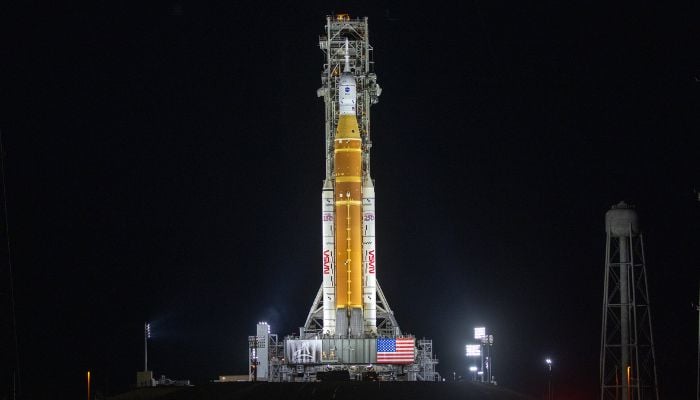
The National Aeronautics and Space Administration (NASA) has postponed its historic Artemis II once again.
Engineers discovered a critical helium flow system failure in the rocket’s upper stage, pushing the launch from March to at least April 2026.
The technical issue was identified during routine overnight operations at Launch Complex 39B at Kennedy Space Centre, days after NASA had announced a targeted March 6 launch date.
The issue occurred due to an interruption in helium flow through the Interim Cryogenic Propulsion Stage (ICPS), which is necessary to pressurise fuel tanks and safely purge rocket engines before ignition.
According to NASA administrator Jared Isaacman, “Last evening, the team was unable to get helium flow through the vehicle. This occurred during a routine operation to repressurise the system.”
“Regardless of the potential fault, accessing and remediating any of these issues can only be performed in the VAB,” he added.
The 332-ft Space Launch System rocket will now be rolled back to the Vehicle Assembly Building, where engineers partially disassemble components to inspect filters, valves, and connection plates.
This setback omits all chances of a March launch with the next available windows falling on April 1 and April 3-6, determined by Earth-Moon orbital geometry and safe re-entry conditions.
Earlier, the technicians found a helium leak during a wet dress rehearsal earlier this month, which engineers resolved successfully at the launch pad.