Hurricane Melissa enters history books as strongest Atlantic storm on record
Hurricane Melissa’s peak winds hit190mph, tying 44-year-old Atlantic record
Published February 26, 2026
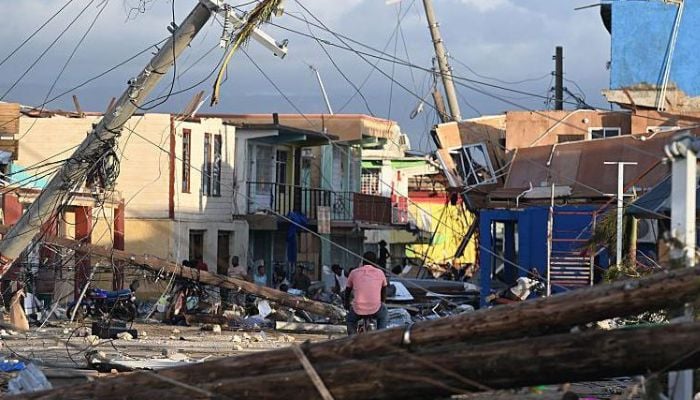
The destructive hurricane Melissa that hit the Caribbean last October has officially been upgraded to tie the record for the highest wind speeds ever recorded in the Atlantic basin.
A report issued on Wednesday, February 25, by the National Hurricane Centre indicated that Melissa was the strongest Atlantic hurricane by maximum sustained wind speed, as Hurricane Allen of 1980, when it made contact with the Caribbean island of Jamaica, reached 190 mph.
As reported, a dropsonde device installed in a Hurricane Hunter aircraft recorded the wind speed at 252 mph in the eyewall of the storm, a record never seen before by any sort of dropsonde in a tropical hurricane anywhere in the world.
By the time Melissa hit the shore of New Hope, Jamaica, on October 28, it had already diminished in strength to sustained winds of 185 mph, but this was still the strongest hurricane to ever hit Jamaica.
This places the 1935 Labour Day Hurricane and 2019 Hurricane Dorian at the same spot as the victims of the most powerful Atlantic landfall based on the wind speed.
The lowest central pressure of 892 millibars of the storm is the lowest in Atlantic history, surpassed only by Hurricane Wilma in 2005 and Hurricane Gilbert in 1988.
Melissa had far-reaching, disastrous effects in the Caribbean.
The storm led to the deaths of 95 people in the region, with 45 deaths in Jamaica, 43 in Haiti, four people in the Dominican Republic, and one in Cuba.
The loss to the physical infrastructure, agriculture and structures in Jamaica has been estimated to be costing about 8.8 billion, which is about 41 per cent of the gross domestic product of the country.
The hurricane caused heavy rain with up to 35 inches falling on some parts of Jamaica, and caused a storm surge that was estimated to go between 7 and 11 feet along Jamaica areas like Crawford and Black River.
The disaster led to the death of approximately 1.25 million animals and caused a catastrophic effect on coffee crops, with farmers saying that they have lost about 45 per cent of their harvest.
Furthermore, the hurricane centre identified that there were two indirect deaths in Florida, as two persons, Alexander and Serena Wurm, perished in an aircraft accident as they were trying to deliver hurricane relief kits in Jamaica.
The rapid intensification of the storm was enhanced by the fact that the storm was moving through exceptionally warm Caribbean waters, where the temperatures of the sea surface were 30°C to 31°C.
Scientists caution that Melissa is a chilling example of how communities can be exposed and vulnerable to even more extreme weather trends.