Quentin Tarantino slams Rosanna Arquette after N-word criticism
Published March 10, 2026
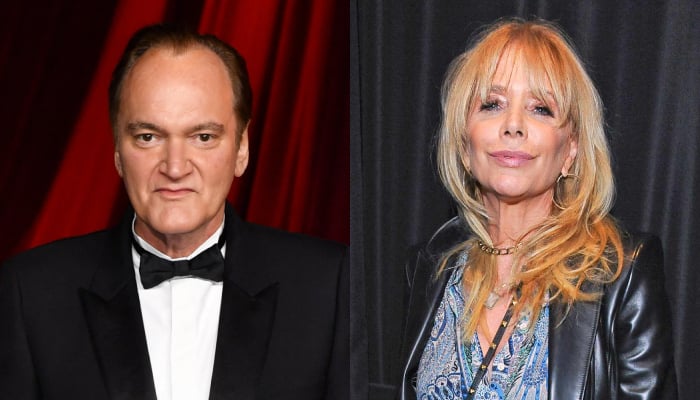
Quentin Tarantino has hit back at actress Rosanna Arquette after she publicly criticised his repeated use of a racial slur in his films, accusing her of showing "a decided lack of class, no less honour" by speaking out against a film she was "thrilled to be a part of."
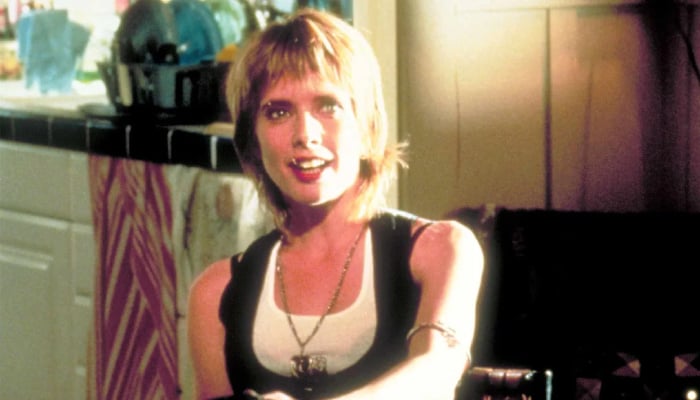
The dispute began after Arquette spoke to The Sunday Times in a wide-ranging career interview, touching on her minor role in Tarantino's 1994 black comedy Pulp Fiction, in which she played Jody, wife to Eric Stoltz's drug dealer character Lance.
While acknowledging the film as "iconic, a great film on a lot of levels," she was blunt about her feelings regarding the director's use of the N-word across his body of work.
"Personally I am over the use of the N-word, I hate it," she said. "I cannot stand that he [Tarantino] has been given a hall pass. It's not art, it's just racist and creepy."
Tarantino responded on Monday with a written statement addressed directly to Arquette.
"I hope the publicity you're getting from 132 different media outlets writing your name and printing your picture was worth disrespecting me and a film I remember quite clearly you were thrilled to be a part of?" he wrote.
"Do you feel this way now? Very possibly. But after I gave you a job, and you took the money, to trash it for what I suspect is very cynical reasons, shows a decided lack of class, no less honour."
The debate over Tarantino's use of the slur is far from new.
Pulp Fiction features it approximately 20 times, Jackie Brown more than 30, and Django Unchained over 100.
Tarantino's use of the word has been defended over the years by frequent collaborators including Samuel L. Jackson and Django Unchained star Jamie Foxx.
But criticism has come from some significant voices too.
As far back as 1997, filmmaker Spike Lee called out what he saw as an infatuation with the word, saying: "I'm not against the word, and I use it, but not excessively. And some people speak that way. But, Quentin is infatuated with that word. What does he want to be made, an honourary Black man?"
More recently, filmmaker Lee Daniels took issue with Tarantino's suggestion that audiences who objected to his creative choices should simply "see something else," responding: "That's not the right answer."