Legal experts provide astonishing verdict on Andrew police probe: ‘way out?'
Andrew Mountbatten-Windsor's case gets more complicated as ex-prince could have 'loophole'
Published March 15, 2026
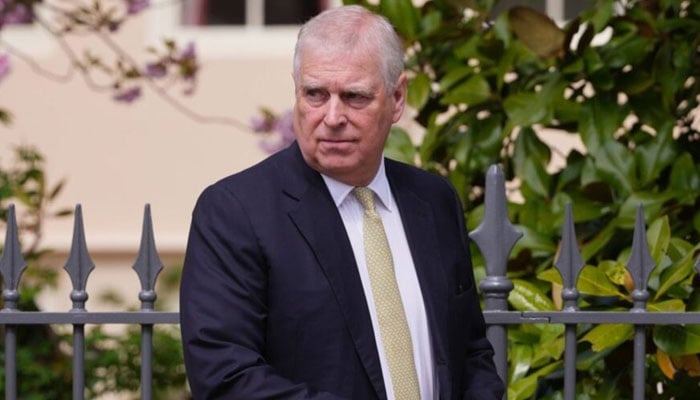
Andrew Mountbatten-Windsor is currently being investigated by several authorities as the Epstein files, released by the US Department of Justice, provide potential evidence for several criminal charges.
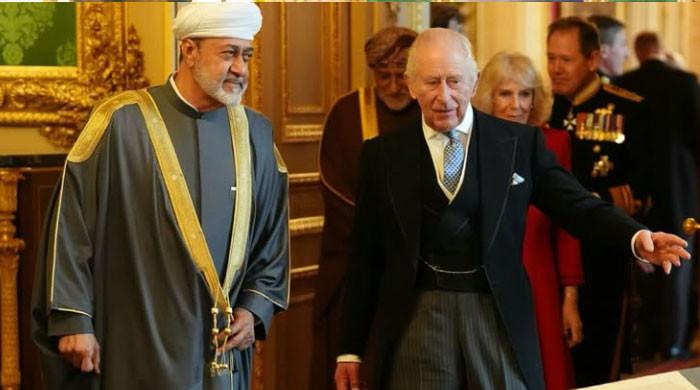
King Charles, who had already ousted his brother from the royal fold, stripping all royal titles and honours, had vowed that the Royal Household will support the police probe in whatever capacity it needs. He had stated that the “law must take its course”.
The ex-prince was arrested last month from his temporary residence in Norfolk estate under the charge of ‘misconduct in public office’ as the emails correspondence in the Epstein files reveal Andrew had shared confidential UK trade documents to paedophile financier Jeffrey Epstein.
While the public has largely expressed support for Andrew to face the consequences of his own actions, lawyers have revealed that the disgraced former royal could find a loophole out despite clear evident.
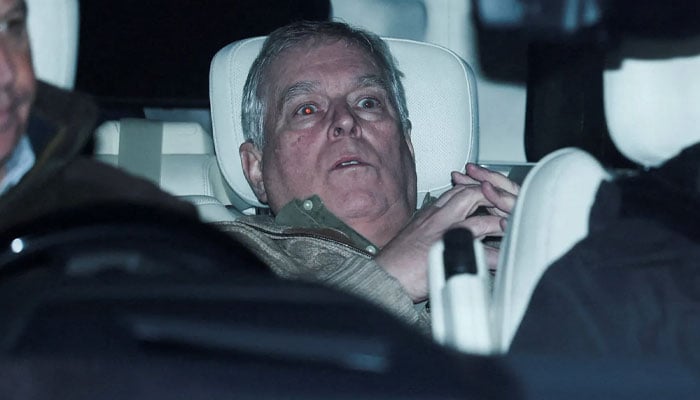
“Some offences, such as misconduct in public office, do require the individual to be acting as a public officer at the time. That is a relatively narrow legal category, and it is not automatically satisfied simply because someone is a member of the Royal Family. It would depend on whether they were performing an official public function recognised in law,” Simarjot Singh Judge, managing partner at Judge Law, told The Mirror.
He explained that that misconduct in public office requires proof “not just of status, but of serious misconduct connected to that public role”. It also needs to show that the action “amounted to an abuse of the public’s trust”. For this, financial gain can be relevant but it is not always a strict legal requirement in all cases.
There are “precise legal definitions and evidential thresholds” in the law and if those are not met, there is “simply no basis for prosecution under that specific offence”.
Hence, it is crucial that relevant evidence is gathered before a case is presented.
Solicitor Andrew Taylor also pointed out the complex nature of the legal proceedings during a Radio 2 interview, “What the prosecution might be looking for is evidence that he has committed the offence of misconduct in public office. In order to get that offence, if you like, past first base, they would have to prove that he was a public officer. He might say, Well, I wasn’t.”
Meanwhile, legal expert Catherine Haddon, told USA Today that court would have to prove that Andrew was a public officer and his wrongdoing. Moreover, the also would have to prove that it was a “deliberate” action – “knowing it to be wrong or recklessly indifferent to whether it was wrong”.