Nowruz begins in Iran as conflict with US-Israel reaches third week
Nowruz celebrations culminate with Sizdah Bedar, known as Nature Day, bringing the Nowruz period to an end, 13 days after the equinox
Published March 20, 2026
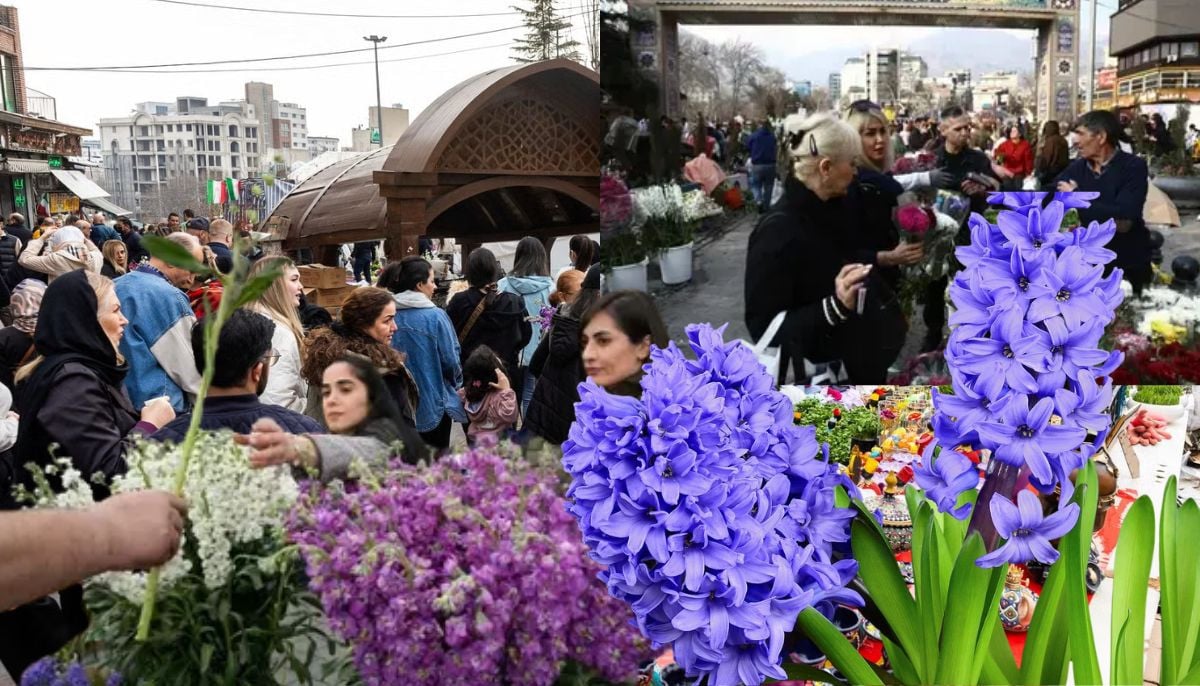
Nowruz begins in Iran with the buzzing celebrations amid the clouds of war that have entered into their third week.
Nowruz, the Persian New Year, symbolizes family reunion, renewal, and a restart to a year ahead.
This year, Nowruz is falling on the spring equinox, March 20, marks the festivity of a new day for millions in Iran and across the world.
Nowruz is hitting differently this year amid the U.S.-Israel war against Iran since U.S. military launched strikes and killed their Supreme Leader Ayatollah Khamenei on February 28, 2026.
Despite the shadows of war looming large, Iranians are celebrating Nowruz with full zeal and enthusiasm.
Iranian bazaars are buzzing with multiple goods, filled with the smell of hyacinths, a traditional Nowruz flower, fills the narrow alleys, a vivid reminder that spring has arrived.
In Iran, Nowruz festivities last for two weeks, with a four-day national holiday.
Nowruz traces its history to the practices of Zoroastrianism, the religion of the ancient Persian world.
During the Nowruz celebrations, Iranians prepare special foods that are served to the guests like rich soups, pastries and servings of dried nuts and fruits.
Normally Iranian families spend the first few days paying visits to their relatives and friends with people exchanging gifts.
Nowruz celebrations culminate with Sizdah Bedar, known as Nature Day, bringing the Nowruz period to an end, 13 days after the equinox.
This year, Nowruz is coinciding with Ramadan drawing to an end and Eid Al-Fitr.
For Iranians, Nowruz signifies their rich history, national character and centuries old civilization.
For context, amid the clouds of war, Nowruz is happening for the second time that Iranians will mark the celebrations, as they did back in the 1980s during eight-year war with Iraq.