Spring has officially arrived: Vernal equinox marks start of astronomical spring
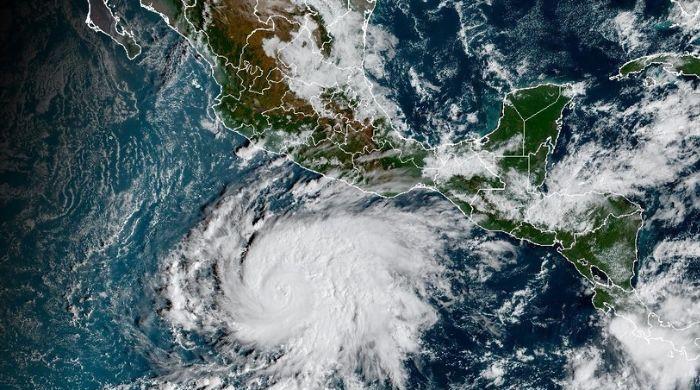
Grey skies, longer days: Spring officially begins at 10:46 a.m.
Published March 20, 2026
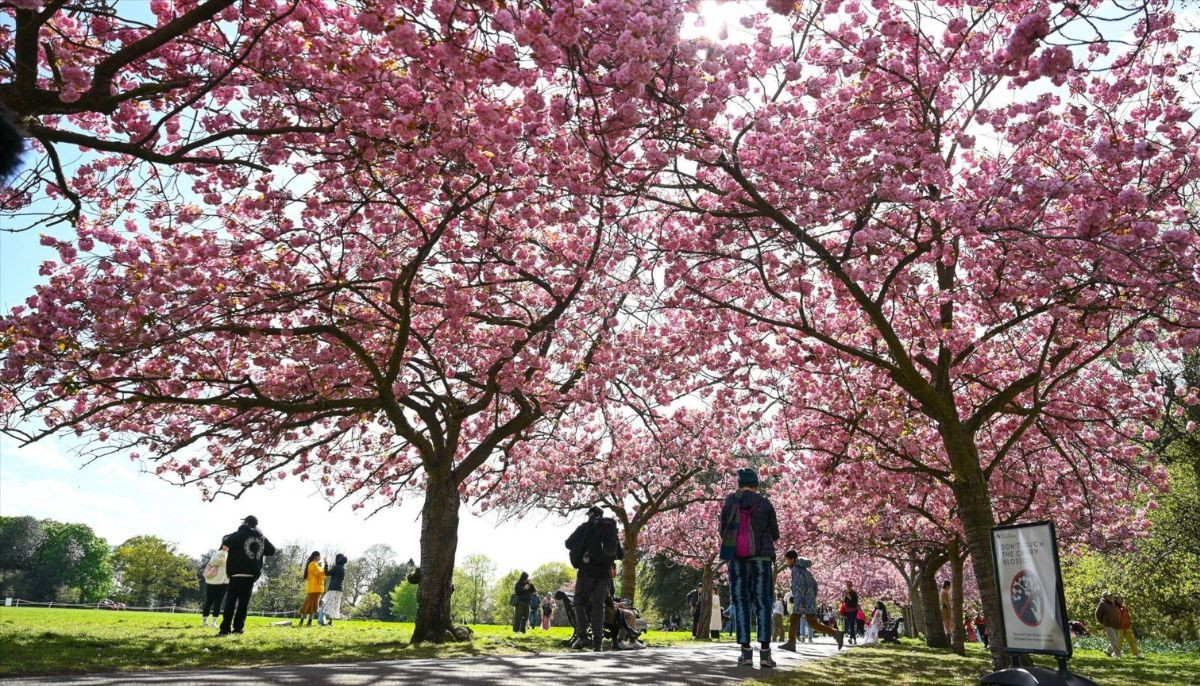
The astronomical spring in the Northern Hemisphere has officially started on Friday, March 20.
The vernal equinox occurred at 10:46 a.m. EDT, highlighting a seasonal shift that brings nearly equal daylight and darkness across the globe.
The phenomenon occurs when the Earth’s axis is neither tilted toward nor away from the sun, enabling both hemispheres to get almost equal sunlight.
The name is derived from Latin words “aequus” meaning equal and “nox” meaning night. Although equinox promises 12 hours of daylight, most locations experience slightly more due to atmospheric refraction.
National Weather Service (NWS) officials forecast cloudy skies with chances of rain or snow throughout the day.
Despite the gloomy weather, the calendar promises longer days ahead.
Although the astronomical spring starts on March 20, meteorological spring, utilised by weather forecasters for consistent record-keeping, started on March 1.
Both methods of defining seasons are different from each other, as one is rooted in Earth’s orbit and the other in annual temperature cycles.
The Vernal Equinox has been celebrated by various cultures and civilisations for centuries. In Japan, Vernal Equinox Day is a public holiday, whereas in Mexico, people flock to Chichen Itza to behold the spectacle of a serpent descending on a pyramid called El Castillo.