New DNA test cracked 1974 death of Utah teen Laura Aime, linked to Ted Bundy
Laura Ann Aime, 17, went missing after leaving a party on Halloween in 1974
Published April 02, 2026
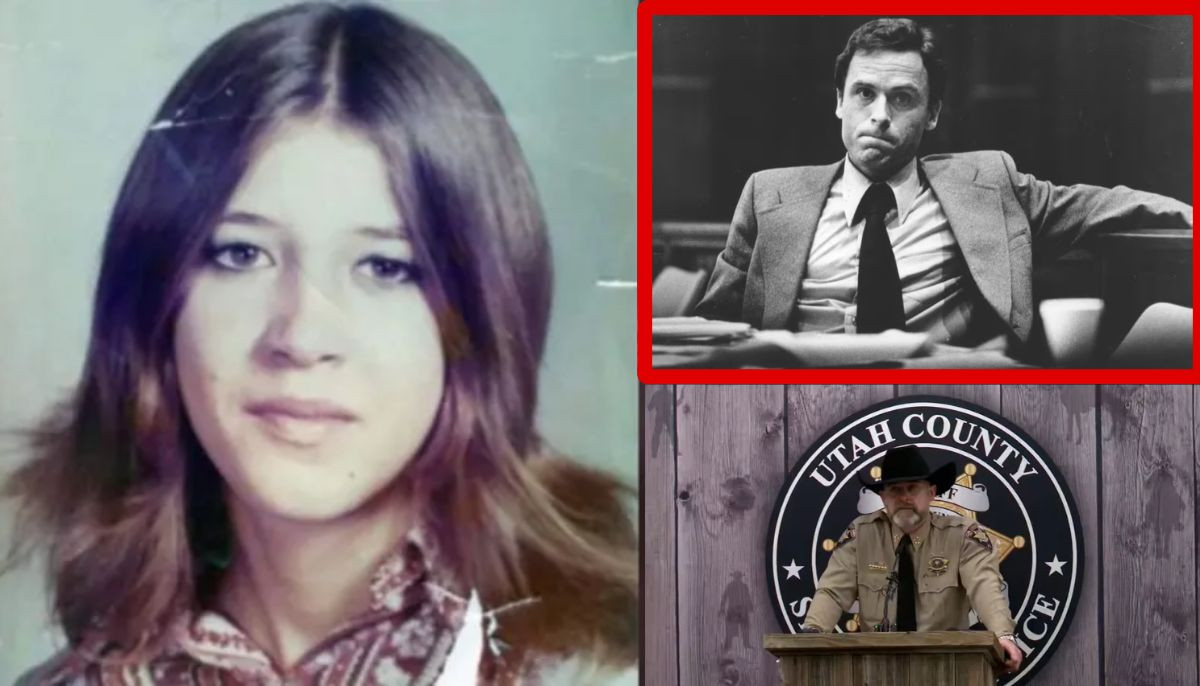
New DNA testing has cracked 1974 cold-blooded murder case of a Utah teen that links to serial killer Ted Bundy, the sheriff confirms.
Utah authorities have closed the file of a five-decade old murder case after getting assistance with the new DNA technology to identify a murdered teenager as a victim of serial killer Ted Bundy.
Laura Ann Aime, 17, went missing after leaving a party on Halloween in 1974.
Her remains were found a month later by hikers in the American Fork Canyon.
Aime was handcuffed, tortured and without clothing, and authorities said the evidence suggested she was kept alive for several days after her abduction.
The Utah County Sheriff revealed on Wednesday, April 1, that new testing “confirmed irrefutably that DNA evidence recovered from Laura’s body verified the existence of DNA belonging to Bundy.”
What really took place in the ‘70s?
In a period of just 4 years, prolific serial killer Ted Bundy murdered at least 30 women between February 1974 and February 1978.
He has also been named to other murders across the U.S.
Investigators had long been doubtful that Bundy was responsible for the cold-blooded murders.
Bundy confessed to his crimes that led to his execution on cold January 24, 1989, in Florida but the case didn’t end up here until now.
Bundy in his last wish expressed extending love to his family and friends; “I’d like you to give my love to my family and friends.”
Laura’s sister Michelle Impala addressed a news conference on Wednesday after the sheriff confirmed the new DNA testing linked Ted Bundy to murdering Laura Aime.
She said, “It’s really quite amazing that people are even still interested in Laura’s case.”
While appraising everyone involved in the case, Impala said, “Know I speak for my family when I thank you, and thank you media, too, for even caring.”
How did forensic experts come to the conclusion?
Investigators had preserved the evidence from Aime’s case, according to Utah Department of Public Safety Commissioner Beau Mason.
Forensic experts then analyzed the evidence and picked the parts most likely to contain usable DNA.
The state crime lab integrated new technology in 2023 that enables investigators to fetch DNA from small, age-degraded, or multi-source samples.
The authorities then submitted it to national law enforcement database.
And those samples matched Bundy’s DNA.
While this profile of Bundy can now be accessed by other law enforcement agencies who long suspected Bundy’s involvement in unsolved killings, Mason said.