King Charles' £138m windfall faces radical review as royals come under fire
King Charles’ spending scrutinised amid cost of living backlash
Published April 06, 2026
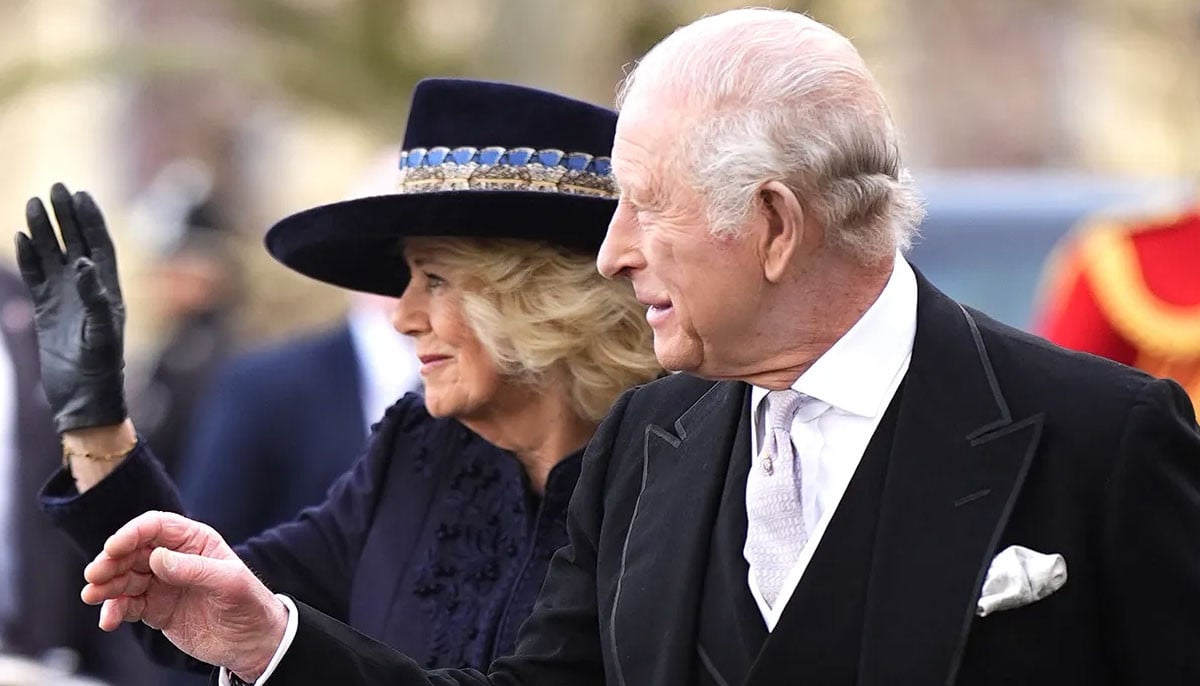
King Charles faces mounting pressure as the £138 million Sovereign Grant heads to the Royal Family this year, with calls for radical reform over the rising cost of royal upkeep.
The Chancellor, Rachel Reeves, is being urged to reconsider the grant, which has jumped nearly £50 million in three years, largely to fund £369 million in Buckingham Palace renovations over a decade.
While anti-corruption campaigners demand greater transparency after Keir Starmer’s tsar criticised past royal earnings considered as “exorbitant” charity rents.
Baroness Margaret Hodge, the Government’s anti-corruption champion, flagged the Andrew scandal as a tipping point, warning that opaque private income could weaken the monarchy at a sensitive moment.
Former Labour minister Lord George Foulkes echoed the call for reform, pointing to Queen Camilla’s helicopter ride to a race day as evidence the royals seem increasingly out-of-touch while Britons struggle with cost-of-living pressures, homelessness, and poverty.
“It really needs a more radical review than in the past,” he said.
The Treasury confirmed the Sovereign Grant is under a five-year review, but there are no plans to scrap it entirely.
Introduced by then-Chancellor George Osborne in 2011, it funds the King’s official duties, including staff salaries, travel, and palace maintenance.
Last year, £41.2 million went on property upkeep, £4.7 million on travel, and £475,000 on 141 helicopter flights, including £80,000 on charters and flights across Northern Ireland.
MPs are also probing the Crown Estate amid scrutiny of Andrew’s use of Royal Lodge and whether other properties deliver fair value to taxpayers.
Meanwhile, the King and Prince William continue to earn private income from the Duchies of Lancaster and Cornwall, alongside inherited wealth and investments.
Over 70 years, these estates have generated roughly £1.2 billion for the royals.
The Duchy of Cornwall’s property sales surged from £3.3 million per year (2010–2020) to £11 million annually in the following four years, though they remain exempt from capital gains tax.