China supercomputer hacked: Here's everything to know about hackers ‘Flaming China'
Hacker breaches Chinese supercomputer, steals missile schematics, military secrets
Published April 10, 2026
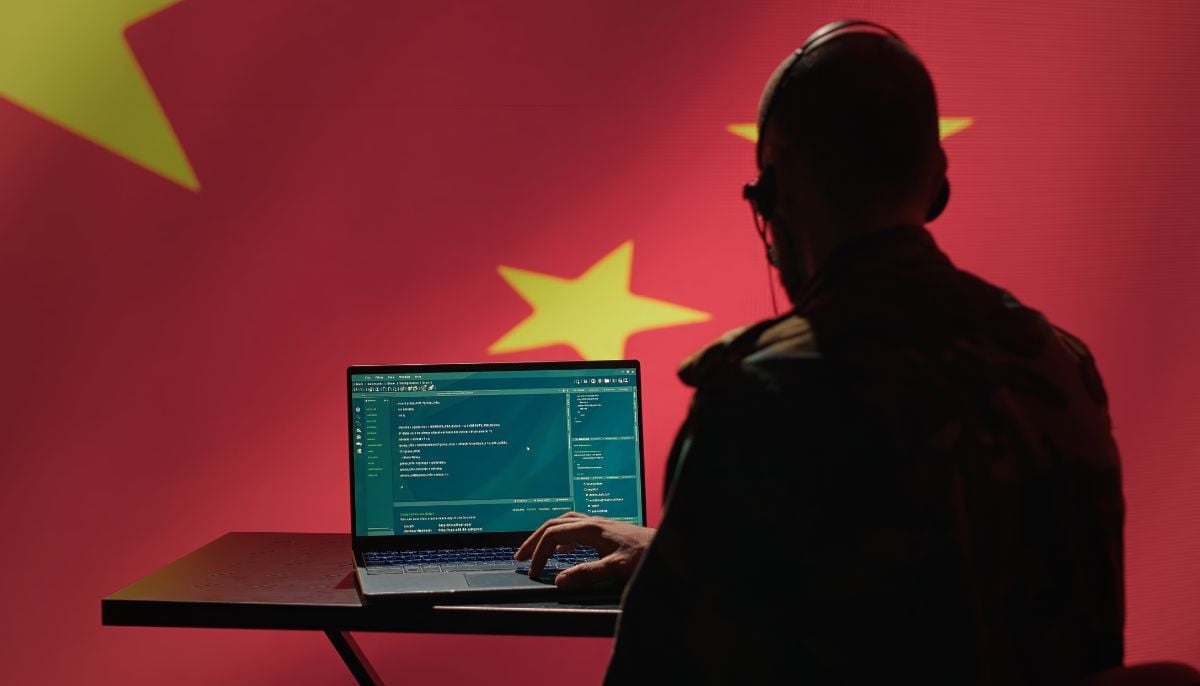
A hacking group has reportedly stolen more than 10 petabytes of Chinese sensitive data.
The compromised data includes defense documents and missile schematics.
The experts mark the breach as a potentially historic hacking incident where the data from one of the supercomputers in the National Supercomputing Center (NSCC) in Tianjin was compromised.
NSCC serves almost 6,000 clients, including Chinese defense agencies and aerospace firms.
The hacking group that allegedly took responsibility for breaching the system is identified as “Flaming China.”
What data was stolen from the Chinese supercomputer?
On February 6, the group posted a sample of data on Telegram and claimed to have access to the critical research on aerospace engineering, military technology, bioinformatics, and nuclear fusion simulation.
The group also stated that the information is associated with the top Chinese organisations, including the Aviation Industry Corporation of China and the National University of Defense Technology.
The authenticity of data was further confirmed by experts who assessed that the samples found documents are flagged as “secret” in Chinese, technical files, and renderings of bombs and missiles.
How did hackers access the Chinese supercomputer?
The hacker accessed the system via a compromised VPN domain. After accessing the system. They deployed a botnet to slowly extract data over six months. This helped them to avoid detection by distributing transfers across various servers.
How to access the full stolen data?
To access full data from the supercomputer, hackers asked for hundreds of thousands of dollars in cryptocurrency.
Chinese officials have not verified the incident yet. If confirmed, this will be marked as the largest known data heist from China, potentially threatening the breach of years of military and scientific research.