How does Hantavirus spread? Here's everything to know about how to protect yourself
Published May 06, 2026
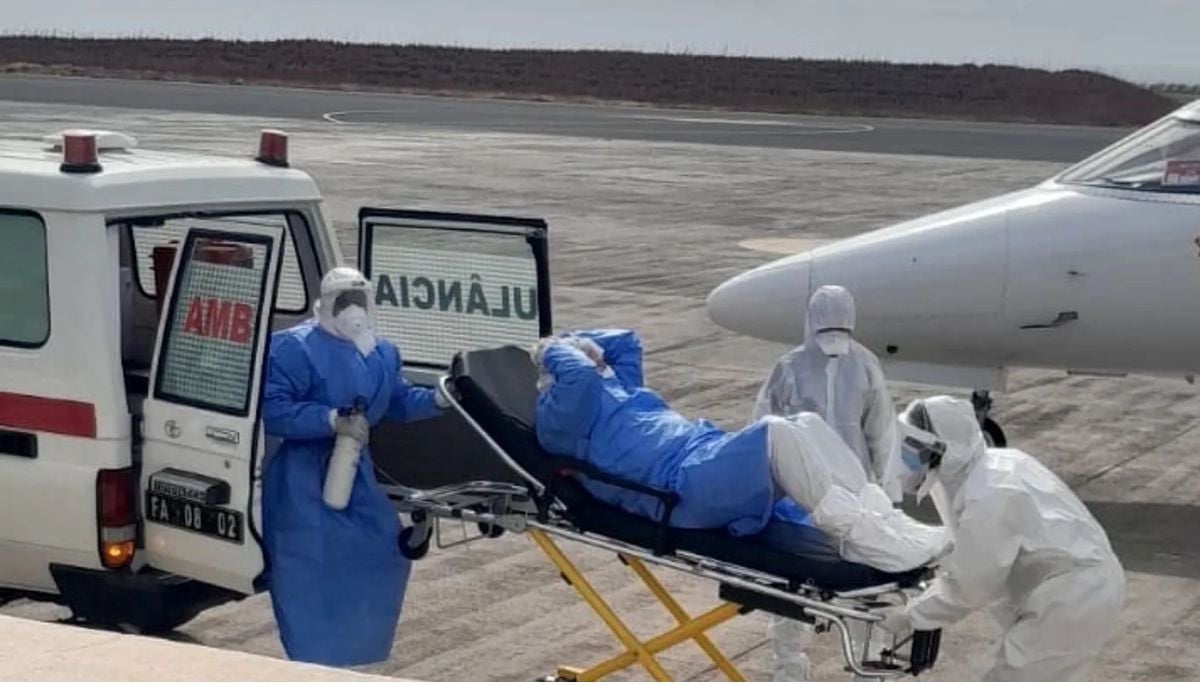
The Hantavirus outbreak aboard the MV Hondius cruise ship has taken the lives of three people and left dozens quarantined off the coast of Cape Verde.
The cruise ship is not sailing towards Spain’s canary island where all passengers and crew members will receive medical screening.
Hantavirus causes respiratory failure (HPS) or kidney failure (HFRS) in affected people by infecting the blood vessel lining. Eventually, blood vessels leak fluid into the lungs or body tissues.
Initially, there are symptoms like fever, muscle aches, and fatigue, which rapidly progress to difficult breathing issues, low blood pressure, and shock.
How does Hantavirus spread?
The virus mainly spreads from rodents to humans. As per the CDC, the infection occurs when a person inhales aerosolised virus particles from fresh rodent urine, droppings, or saliva.
The Andes virus strain, which is responsible for cruise outbreaks, transmits from person-to-person via close contact with bodily fluids like between married couples sharing a cabin. WHO believes some transmission on the ship may have occurred this way.
How to protect yourself?
To protect from hantavirus, experts urge residents to:
- Prevent physical contact with rodents: Seal openings in your house, cabin, and automobile. Do not interfere with any places where rodent faeces are visibly present.
- Handle cleanup carefully: Do not attempt to sweep up or vacuum up faeces. Allow the room to ventilate for at least 30 minutes. Spray faeces with disinfectant or bleach solution. Wait for five minutes and clean up with paper towels.
- Protect yourself: Wear rubber gloves and N95 masks during cleanup activities.
- Flag signs of illness: Fever, muscle pain, headache, vomiting, and diarrhoea occur two to eight weeks post-exposure. If you have trouble breathing, seek medical attention immediately.
How to treat Hantavirus?
Till now, there is no cure or vaccine. The fatality rates for strains like Andes reach up to 50%. To reduce mortality, advanced support such as ECMO is needed. However, it can only show 20% results.