USCIS issues new signature rules for H-1B, Green Card applicants effective July 10
New USCIS policy allows rejection or denial of petitions with invalid signatures, even after acceptance
Published May 17, 2026
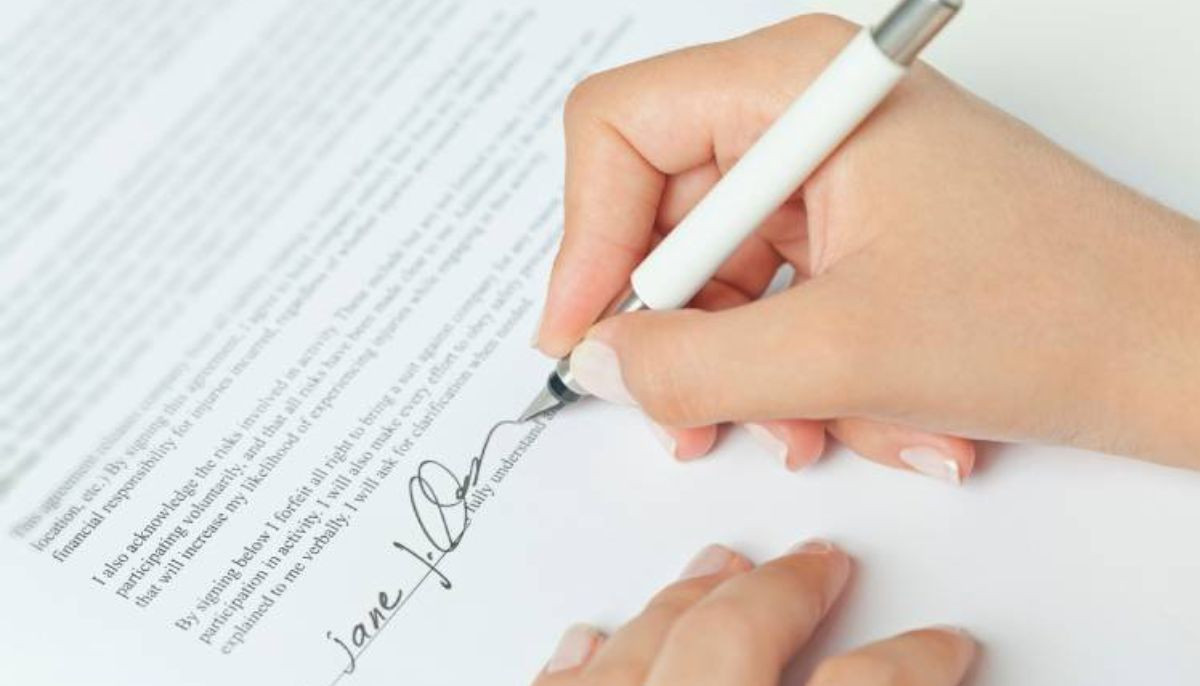
USCIS has updated its signature verification policy, directly affecting H-1B applicants, green card seekers, and employers of foreign workers.
The interim rule published in the Federal Register on May 11 stated that USCIS has expanded authority to reject or deny immigration filings if signature issues are discovered.
These strict new rules take effect on July 10, 2026. Immediate compliance is essential.
What changes for applicants
The new rules enable USCIS to reject applications for missing valid signatures at intake or to reject cases during adjudication if there are any problems with the signature. Notably, the agency will still keep filing fees even after the rejection or by treating the case as fully adjudicated. This means applicants risk losing thousands of dollars while jeopardising their immigration status.
Which signatures are invalid?
USCIS considers the following signatures as invalid:
- Copy and paste signatures.
- Digitally generated signatures
- Signature stamps
- Reused signature images
- Signatures submitted by unauthorised individuals
The standard acceptable signatures are handwritten, scanned copies, original wet-ink signatures, faxed signatures, and photocopies.
Impact on H-1B and green card applicants
However, immigration experts have cautioned that these signature issues may emerge even after filing. Denial will have repercussions on the authorisation period, status, priority dates, and work authorisation. Employers are strongly advised to scrutinise their compliance procedures and retain copies of the original wet-ink signature.