King Charles abdication speculation swirls
Will King Charles' monarchy survive amid scandals and feuds within the family?
Published May 23, 2026
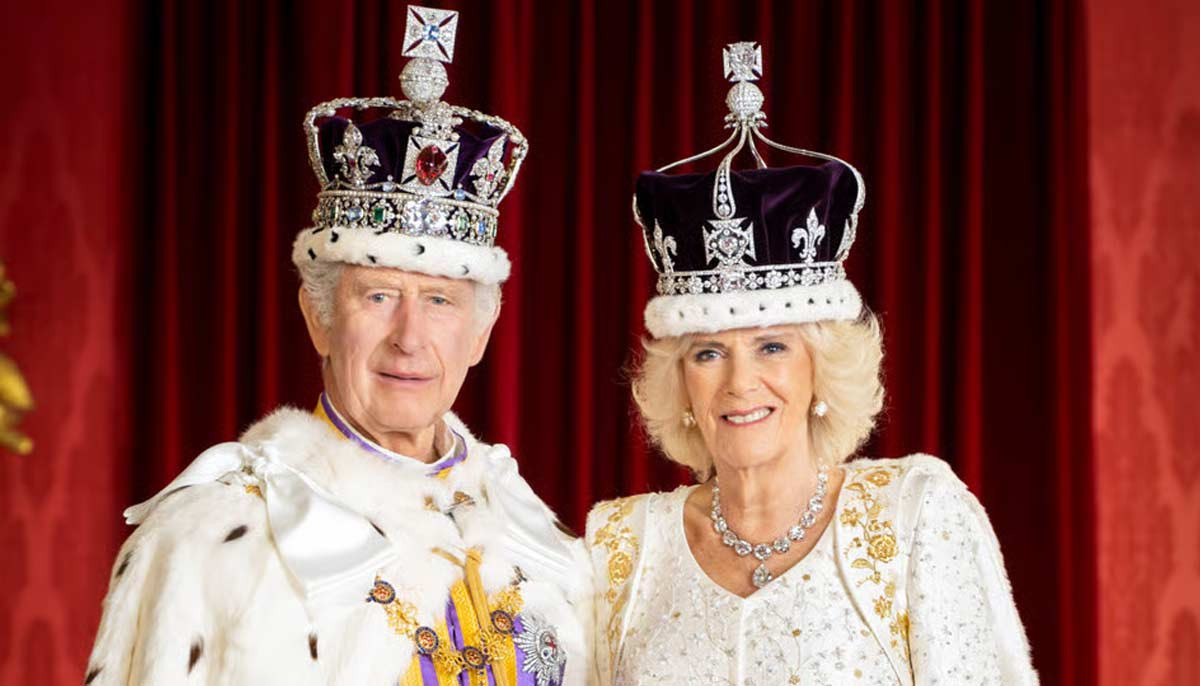
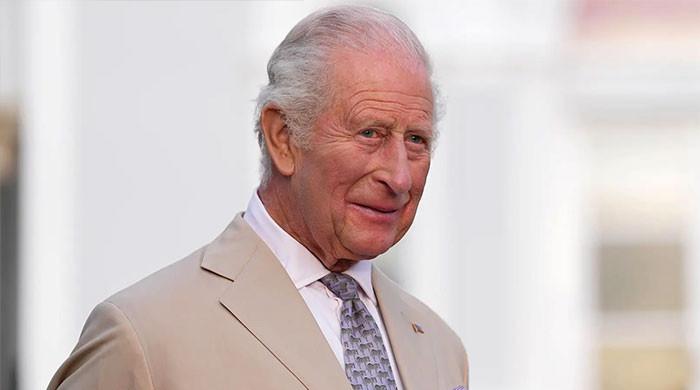
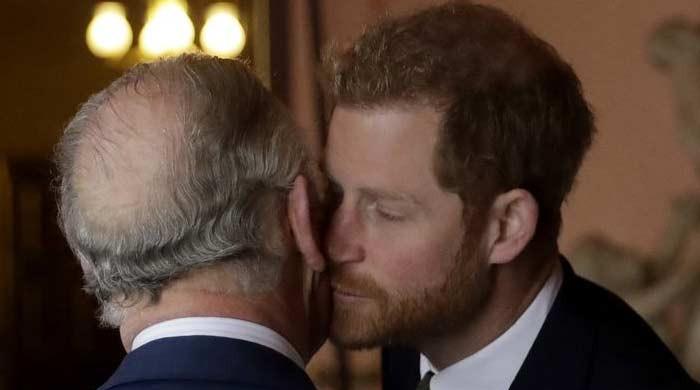
The British royal family's ever-growing crises have fueled speculation about King Charles abdication in favour of his eldest son as the future of the monarchy rests on Prince William and his wife Princess Kate's soulders.
The 77-year-old king, who's putting on a brave face while battling cancer and other crises within the family, has been under pressure in recent years.
Some oryal aides have consisitently dismissed speculation that the monarch will eventually hand throne to William due to historical precedent and the monarchy’s strict commitment to stability.
Scandal surrounding Andrew Mountbatten-Windsor’s relationship with Jeffrey Epstein has prompted renewed debate about whether it could ultimately contribute to calls for Britain to abolish the monarchy.
The former prince is already under investigation on suspicion of misconduct in public office over his link to Epstein.
In that context, debate around whether the British monarchy' future has been on the increase, though the discussion is longstanding, with royal popularity rising and falling over decades.
However, some commentators belive that the King will pass the throne to William in his life to follow in Denmark's Queen Margrethe II.
While most historions still maintain that abdication is not in the monarch's book, and that he will continue to serve his people till his breath.
Newsweek has examined available data on support for abolition in the UK to determine a timeline for when Britain might see a majority in favour of becoming a republic, based on current trends.
While royalists argue it will continue, citing past crises, such as the aftermath of Princess Diana's death - that were followed by recoveries, including the surge around Prince William and Princess Kate's wedding.
They say the same may happen again when a new generation of royals, Prince George, Princess Charlotte and Prince Louis, take the spotlight.
Newsweek has plotted the trend in public attitudes toward the monarchy over a 41-year period. A key dataset comes from the long-running British Social Attitudes survey, run by the National Centre for Social Research, which has been collecting data since 1983.
In 1983, 3.1 percent of British people said they wanted to abolish the Monarchy compared to 15.3 percent in 2024, the most up-to-date figures collected 41 years later.
That means support for scrapping the crown has, on average, been increasing by around 0.3 percentage points per year.
If that trend continues, it would give the royals a significant lifespan of around 120 years before a majority of British people would support actually abolishing the Monarchy.
These projections are based on a simple linear continuation of long-term trends and do not account for potential shocks-such as changes in public perception driven by major royal events, leadership transitions or political developments.
However, popularity is another matter, and the survey shows a growing exodus from the belief that continuing to have a Monarchy is “very important” for Britain.
In 1983, this figure sat at 64.6 percent, and by 2024, it had dropped to 24.1 percent, a slide of more than 40 points over 41 years.
In fact, the total figure for “very” and “quite” interesting slid from 86 percent to 51 percent while the total for “not very,” “not at all” and abolish the monarchy rose from 13 percent to 46 percent over that 41-year period.