Atlantic Hurricane Season 2026 Begins: How many will hit US this year?
With start of Atlantic hurricane season 2026, experts urge preparedness despite below-average forecast
Published June 01, 2026
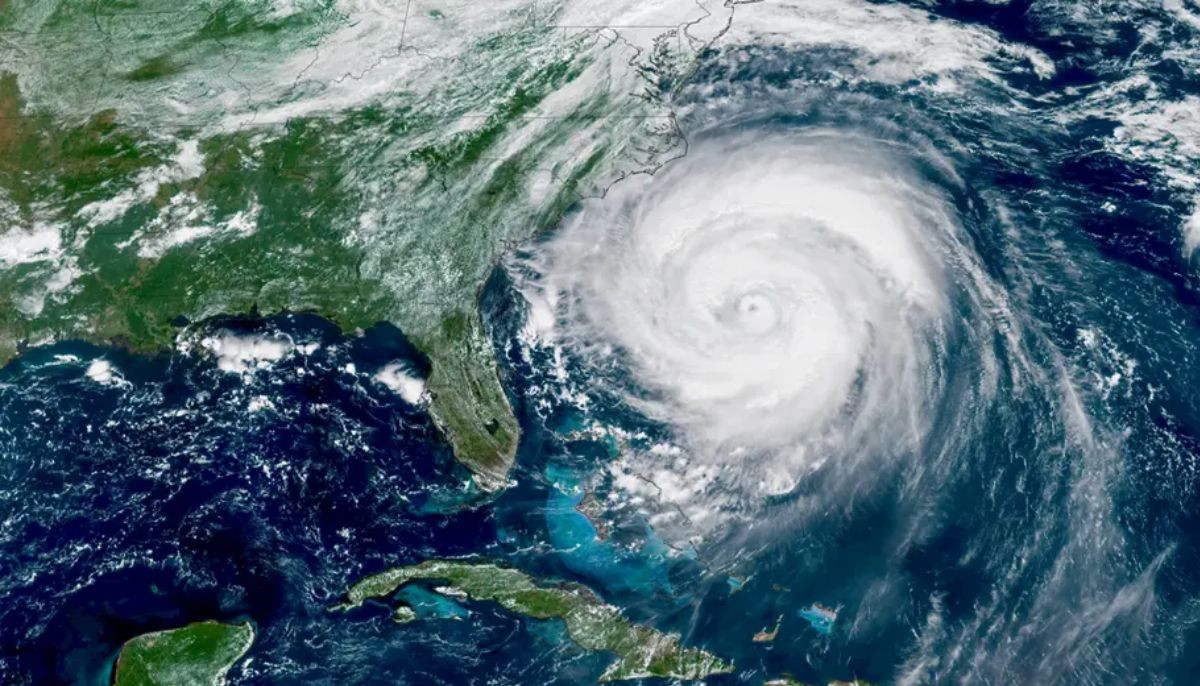
The Atlantic hurricane season has now officially started with a below-normal season forecast. However, meteorologists and emergency officials are still urging coastal residents to take extra precautions.
The National Oceanic and Atmospheric Administration (NOAA) and Colorado State University forecast that there’s reduced tropical activity for the first time in more than a decade.
This is due to massive plumes of Saharan dust that are moving across the main development region and cooler-than-recent sea surface temperatures in the eastern and central Atlantic.
Another prominent reason is the development of El Niño in the Pacific, which increases the chances of wind shear, disrupting tropical systems before they can organise.
Almost 3 to 6 hurricanes are expected this year, with 3 to 5 directly hitting the U.S. due to the underlying effects of El Niño.
The primary pre-season outlooks of NOAA for 2026 also suggest that there are 8 to 14 named storms with 1 to 3 major hurricanes. Meanwhile, Colorado State University forecasts 13 named storms, 6 hurricanes, and 2 major hurricanes.
Regions at highest risk
Forecasters reveal that specific regions are at higher risk of being more vulnerable to landfalling systems or storms passing close enough to produce catastrophic conditions such as damaging winds, storm surge, or inland flooding. The high-risk regions are:
- Central and Eastern Gulf Coast: Includes areas from Texas to the Florida Panhandle.
- The Carolinas and Virginia: Coastal regions
- Florida: Highest risk with storm to pass within 50 miles
The Atlantic hurricane season 2026 runs through November 30, with officials urging residents to stay weather alert regardless of the early forecast.