London Tube strikes begin: What's closed, what still runs, how to navigate the capital this week
Two 24-hour strike days are scheduled and knock-on disruption is expected
Published June 01, 2026
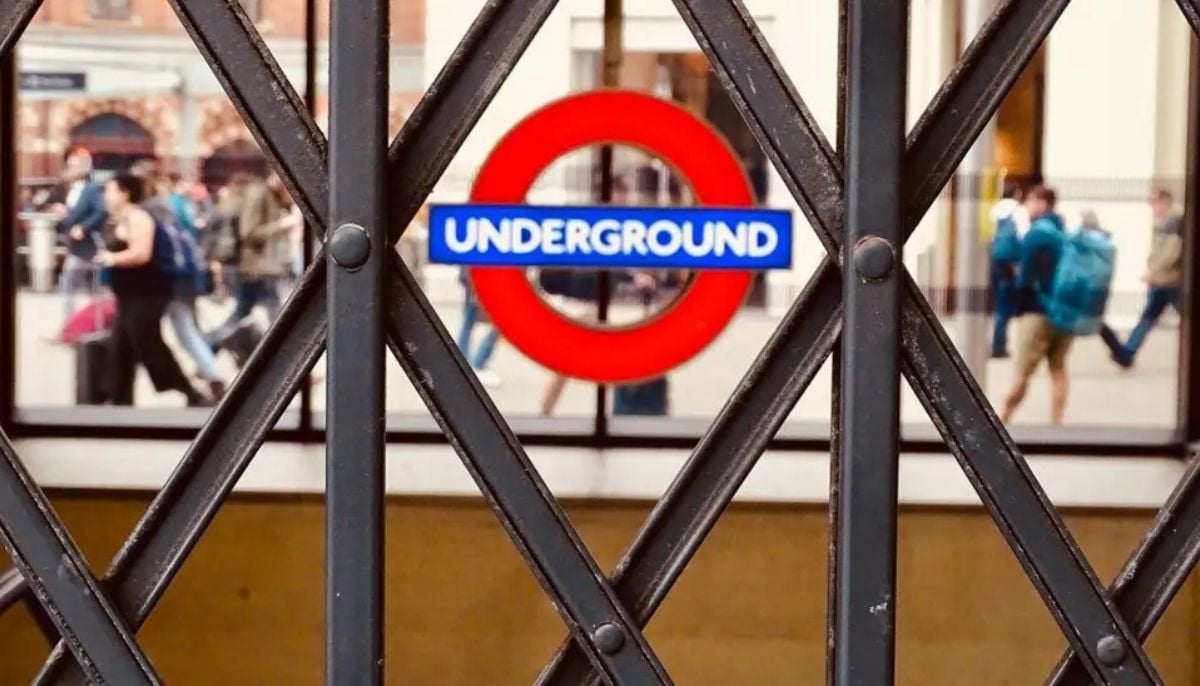
London is facing significant disruption as a series of London Underground strikes begin this week, affecting millions of commuters across the capital.
Services are expected to be heavily reduced on strike days, with large parts of the Tube network either suspended or running at limited capacity.
The action, led by the Rail, Maritime and Transport (RMT) union, follows failed negotiations with Transport for London (TfL) over proposed changes to driver working patterns.
Two 24-hour strike days are scheduled, and knock-on disruption is expected before and after each walkout.
For commuters, the impact is not limited to the Underground alone. Overcrowding on alternative transport routes, longer journey times, and significant congestion on London’s roads are all expected throughout the disruption period.
Why the strikes are taking place
The dispute centres on proposed changes to Tube driver working arrangements, including the introduction of a voluntary four-day working week structure.
TfL has said the plan is designed to modernise scheduling and improve flexibility without reducing contractual pay or conditions.
However, the RMT union has raised concerns about the potential impact on fatigue, workload distribution, and long-term safety.
Despite talks continuing until the final stages, both sides have failed to reach agreement, triggering industrial action.
Which Tube lines are affected
TfL has warned that the majority of the Underground network will be impacted during strike action, with some lines expected to see little or no service at all.
The most affected lines are expected to include:
- Circle Line
- Piccadilly Line
- Central Line (particularly central sections)
- Metropolitan Line (partial suspensions and severe reductions)
Other lines may still operate, but services will likely be:
- Significantly reduced
- Starting later than usual
- Ending earlier in the evening
- Prone to delays throughout the day
Passengers are being advised to expect disruption across the entire network rather than isolated closures.
What still runs during the strike
Despite the widespread disruption, some transport options will remain in service:
- Elizabeth Line
- London Overground
- Docklands Light Railway (DLR)
- London bus network
However, TfL has warned that these services will be under heavy pressure, particularly during peak commuting hours. Stations serving major interchange points are expected to experience overcrowding and longer queues.
How to travel in London during the strike
TfL is advising passengers to avoid travel where possible, but for those who must commute, planning would be essential.
Here are most practical solutions to commute through capital:
- Travel outside peak hours
Peak times are expected to be heavily congested, particularly early morning and late afternoon. Midday and late evening travel may be comparatively less crowded.
- Use the Elizabeth Line where possible
The Elizabeth Line is expected to remain the most reliable cross-city option during disruption, although crowding is still likely.
- Allow significantly more time
Journeys across central London may take substantially longer than usual, particularly where Tube connections are normally required.
- Consider walking or cycling for short distances
In central areas, surface travel may be faster than waiting for overcrowded bus routes.
Beyond transport delays, the strikes are expected to affect daily life across London. Businesses in central areas are preparing for reduced footfall, while hospitals, schools, and offices have advised staff to plan ahead or work remotely where possible.
Road traffic is also expected to increase sharply, particularly on key commuter routes into central London, as passengers shift away from the Underground.