Prince William's private estate raises confusion about inheritance: Details
William, the Duke of Cornwall, receives major benefit due to key rule about inheritance: Truth revealed
Published July 16, 2026
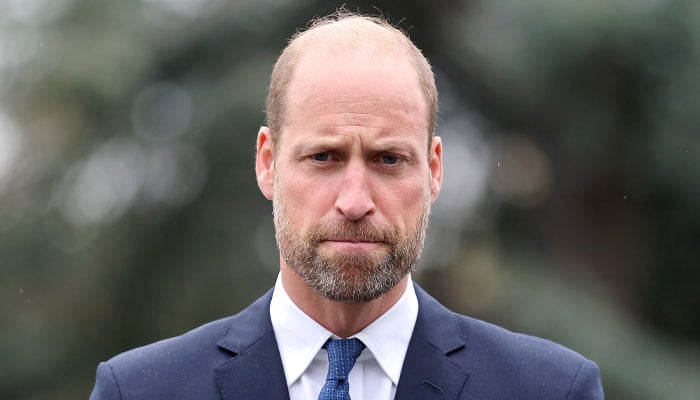
King Charles and Prince William were recently under immense scrutiny over their earnings from the duchies, which caused a major uproar in the public.
It was revealed that the King and his heir have been charging rent to public bodies including NHS hospitals and prisons. Moreover, the private duchies do not have any tax applicable on them.
William’s income from the Duchy of Cornwall 2025-26 was around £21.6 million. It was a property that he inherited from his father King Charles after he ascended to the throne.
Meanwhile, the monarch inherited the Duchy of Lancaster.
Amid ongoing scrutiny into the earnings of the royals, Britons discovered that William is entitled to receive any homes within that jurisdiction that are unclaimed, such as those where the owner had no will or next of kin.
Hence, this would result in the Prince of Wales inheriting multiple properties every year. However, the future King does not profit off of those properties.
“When someone dies intestate (without a will) and without relatives entitled to the estate under the intestacy rules (known kin) the Duchies of Lancaster and Cornwall administer the estate if the person’s last known address falls within the Duchies’ respective geographical jurisdiction,” the company that deals with Duchy affairs explained.
‘Bona Vacantia’ means “vacant goods” in Latin.
The concept is considered controversial for some and the Duchy clarified its stance on its official website.
“After any discretionary payments have been made, all monies are donated to charity.”