James Cameron bashes 1992's ‘Alien 3'
James Cameron directed 1986’s ‘Aliens’ sequel to 1979 original
Published December 30, 2025
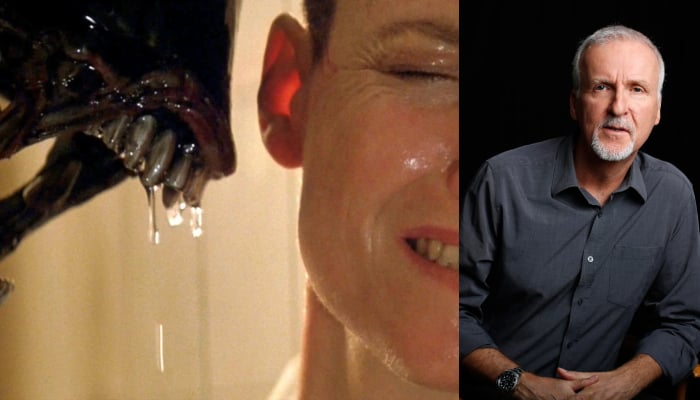
James Cameron has never been shy about sharing his honest opinions, and this time, the acclaimed filmmaker did not hold back when reflecting on Alien 3, the 1992 sequel that followed his own highly praised film Aliens.
Speaking on the Just Foolin’ About with Michael Biehn podcast, Cameron made it clear that he remains deeply critical of the direction the franchise took after his involvement.
Cameron, who directed Aliens in 1986, reacted strongly when discussing the fate of key characters introduced in his film.
In Alien 3, fan-favourites Newt and Corporal Hicks, played by Carrie Henn and Michael Biehn, are killed off almost immediately, along with the android Bishop.
That creative choice, Cameron said, never sat right with him. “I thought that was the stupidest f------ thing,” he said, agreeing with Biehn’s frustration over how the characters were written out.
He went on to explain that Aliens worked because audiences became emotionally invested in those characters.
According to Cameron, eliminating them so abruptly in the sequel stripped away that connection.
“You build a lot of goodwill around the characters of Hicks and Newt and Bishop,” he said, adding that replacing them with an entirely new group was a misstep that alienated viewers rather than drawing them in.
Cameron did, however, acknowledge the difficult circumstances surrounding Alien 3.
Directed by David Fincher in his feature film debut, the project faced numerous production challenges.
While Cameron admitted he wasn’t a fan of the final product, he made a point to say he holds respect for Fincher and recognizes the pressure the director was under at the time.
Biehn also reflected on his experience, revealing his frustration when he learned his character’s likeness was used without his initial approval.
Despite his criticism, Cameron acknowledged the continued legacy of the franchise and praised the newer series Alien: Earth.
Still, he made it clear that returning to that particular chapter of the franchise is something he has no interest in revisiting, closing the conversation with the same blunt honesty that has long defined his career.