Natasha Lyonne fails at sobriety after 20 years
Natasha Lyonne makes shocking public revelation about addiction
Published January 25, 2026
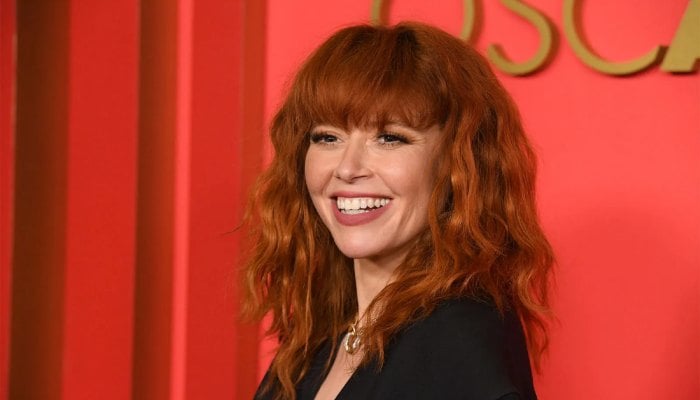
Natasha Lyonne has shared a deeply personal update with fans, revealing that she has struggled with her sobriety after nearly 20 years, a moment she addressed with honesty, reflection and her trademark dark humuor.
The actress, best known for Poker Face, Russian Doll and Orange Is the New Black, posted a candid message that quickly drew attention for its emotional openness.
While Lyonne did not provide specific details about what led to the setback, her words made clear that she is processing the experience with self-awareness and resolve.
“Stay honest, folks. Sick as our secrets,” she wrote.
“If no one told ya today, I love you. No matter how far down the scales we have gone, we will see how our experience may help another. Keep going, kiddos. Don’t quit before the miracle. Wallpaper your mind with love. Rest is all noise & baloney.”
The 46-year-old actress also took time to engage with fans who offered encouragement and empathy in the comments.
One supporter reassured her that life can be overwhelming and emphasized the strength it takes to keep moving forward after such a long stretch of sobriety.
Lyonne responded with her familiar mix of wit and sincerity, writing, “Thanks, boss. There but for the grace, etc. Sending love back your way. May become a pothead or a nun. TBD.”
Another fan urged her to ignore negativity and reminded her of her impact, to which Lyonne replied, “Thanks & know it. Got low self esteem but not imposter syndrome. Love u all.”
Lyonne’s openness resonates deeply given her well-documented past.
In the mid-2000s, she faced serious legal and health issues linked to substance abuse, including eviction from her apartment and multiple hospitalisations.
She ultimately entered treatment in 2006, a turning point that paved the way for one of Hollywood’s most notable comebacks.
Since then, Lyonne has rebuilt her career and reputation, earning critical acclaim, major award nominations and industry respect.
In a 2019 interview with The Cut, she reflected on how those difficult years shaped her voice.
“I would’ve gotten to all this sooner, and I would’ve felt more confident and written better emails,” she said.
“At the same time, I guess those are the same years I spent developing something to say.”
She added that enduring such challenges gave her a unique perspective, even if the journey itself was painful.
Lyonne’s latest message highlights that recovery is not always straight-forward, and her willingness to speak openly continues to offer comfort and relatability to many who see their own struggles reflected in her story.