Kristen Stewart reveals how people treat ‘actresses' vs. directors
Kristen Stewart addresses change is people’s behaviour after she became director
Published January 26, 2026
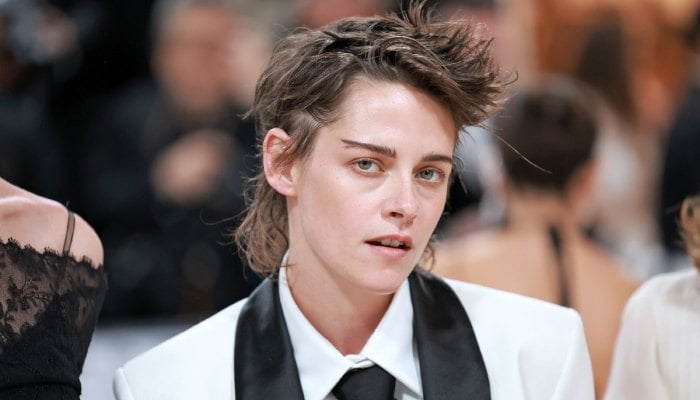
Kristen Stewart has spoken candidly about the stark difference in how she is treated in Hollywood as an actress versus as a director, saying the shift was immediate once she stepped behind the camera.
While discussing her feature directorial debut, The Chronology of Water, in an interview with The Times of London, Stewart said the experience of being taken seriously changed the moment she was no longer seen only as an actor.
“Actresses get treated like shit, I’ve got to tell you,” Stewart said.
“People think anyone could be an actress, but the first time I sat down to talk about my movie as a director, I thought, wow, this is a different experience, they are talking to me like I’m somebody with a brain.”
Stewart explained that the industry often places directors on an unrealistic pedestal, a mindset she believes has long been shaped by male dominance in filmmaking.
She pushed back against the idea that directing requires some unreachable genius, saying that belief has hurt how actors, especially women, are perceived.
She added, “There’s this idea that directors have otherworldly abilities, which is not true. It’s an idea perpetuated by men. Not to sound like I’m complaining all the time, but it’s worse for female actors than male ones, they get treated like puppets, but they are not. Imogen [Poots] put her whole body and soul into this movie.”
Stewart rose to global fame leading the Twilight franchise before carving out a respected career in independent and arthouse films, including Seberg, Underwater, Spencer and Love Lies Bleeding.
Her move into directing came with The Chronology of Water, which premiered at Cannes in 2025 and later opened in theaters on Jan. 9.
The film stars Imogen Poots as Lidia, a woman confronting past trauma through competitive swimming and writing.
This is not the first time Stewart has addressed gender imbalance in the film industry.
In a recent interview with The New York Times, she pointed out how male actors are often praised for showing emotional range while maintaining a sense of dominance, something she says women are rarely afforded.
She described how male performers are often celebrated for asserting control before displaying vulnerability on screen, which can make their work appear more impressive or rare than it really is.
Through her latest comments, Stewart continues to highlight how deeply ingrained attitudes shape the way creative work is valued in, Hollywood, and why stepping into the director’s chair changed not just her role, but how people listened to her.