Steve Carell reveals fun fact about ‘Crazy, Stupid, Love' movie name
Published March 09, 2026
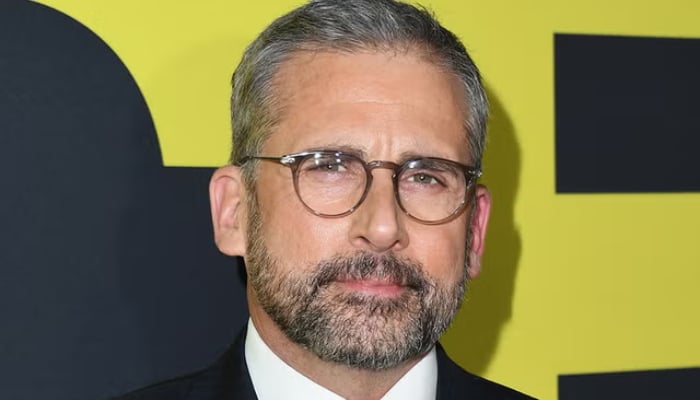
Steve Carell has revealed he was far from impressed when Warner Bros. landed on the title Crazy, Stupid, Love for the 2011 romantic comedy, admitting he simply didn't like it at first.
The actor, 63, opened up about the naming saga in an interview with Entertainment Tonight, explaining that writer Dan Fogelman had handed in the script without a title at all.
"I never liked that title," Carell said.
"I do now, but when Dan Fogelman wrote it, he didn't title it. He didn't call it anything. It was Untitled Dan Fogelman Project."
From there, it became something of a creative free-for-all.
Everyone involved seemed to have a suggestion, but nothing clicked. Eventually, the studio stepped in and made the call.
"Finally, Warner Bros. just said, 'We're calling it Crazy, Stupid, Love,'" Carell recalled, admitting his reaction at the time was a distinctly non-enthusiastic "Alright."
The film, which starred Carell alongside Ryan Gosling, Julianne Moore, and Emma Stone, went on to be both a critical and commercial success, which Carell says taught him something about the relationship between a title and a film's quality.
"I'm convinced that if it's good and people like it, people will like the title," he said. "Doesn't even matter what you call it."
Carell also touched on another of his most beloved roles, Michael Scott on The Office, expressing continued surprise at just how far the NBC comedy's audience reaches, particularly among younger viewers.
"I think it's funny how young people are when they first start watching The Office," he told NBC Insider in June 2024.
"Which was always a surprise to me because I never thought it would be appealing to a younger audience."
He eventually put it down to the universality of the show's characters, suggesting they translate beyond the workplace setting.
"I think part of it is that each of the characters is an archetype that can be translated to people that they know in school," he explained.
"They're all people that you can identify with, whether you've ever worked in an office or whether you've just associated with these people in school."