Andrew's rank under fire, Australia backs ‘any proposal' to remove him
Stripping Andrew’s succession spot would require major royal law change
Published March 09, 2026
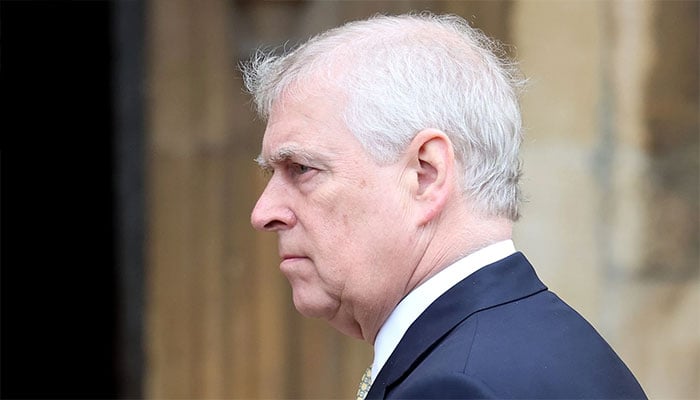
Andrew’s position in the royal line of succession has once again come under the spotlight, as several Commonwealth realms signal support for removing him from the order of inheritance.
The renewed scrutiny follows years of controversy surrounding his association with convicted sex offender Jeffrey Epstein.
Despite stepping back from royal duties and losing his “His Royal Highness” style and military roles, the former duke still holds the eighth spot in the line to the British throne.
Changing that, however, would be far from simple.
Any move to remove him would require new legislation passed by the UK Parliament and approved by every one of the 14 Commonwealth realms where King Charles serves as head of state.
The process would need the backing of MPs and members of the House of Lords before receiving royal assent from the King.
Among the countries that would have to agree are Australia, New Zealand, Canada, Jamaica and the Bahamas.
Along with Antigua and Barbuda, Belize, Grenada, Papua New Guinea, Saint Kitts and Nevis, Saint Lucia, Saint Vincent and the Grenadines, the Solomon Islands and Tuvalu.
Australia has already taken a clear stance.
Last month, Prime Minister Anthony Albanese wrote to UK Prime Minister Sir Keir Starmer confirming his government would support any proposal to strip him of his place in the line of succession.
In the letter, Albanese said the Duke faced “grave allegations” that Australians take seriously.
“In light of recent events concerning Andrew Mountbatten-Windsor, I am writing to confirm that my government would agree to any proposal to remove him from the line of royal succession,” he stated.